A practical guide to shopping in Morocco’s medinas, from souks and artisan crafts to rugs, ceramics, leather, spices, negotiation tips and private guided shopping experiences.
Morocco’s medinas are among the most memorable places to shop in the country. Their narrow streets, covered souks, artisan workshops, spice stalls, leather shops, lantern displays and colourful textiles create an atmosphere that feels both exciting and overwhelming.
For many travellers, shopping in a Moroccan medina is not only about buying souvenirs. It is a way to understand craft, local materials, family workshops, regional traditions and the rhythm of daily life. A well-made rug, a hand-painted ceramic bowl or a carved wooden box can carry the memory of a journey far better than a generic gift.
The key is to explore with curiosity, patience and a clear sense of quality. Morocco’s souks can be intense, especially for first-time visitors, but they become much more enjoyable when you know what to expect and how to move through them with confidence.
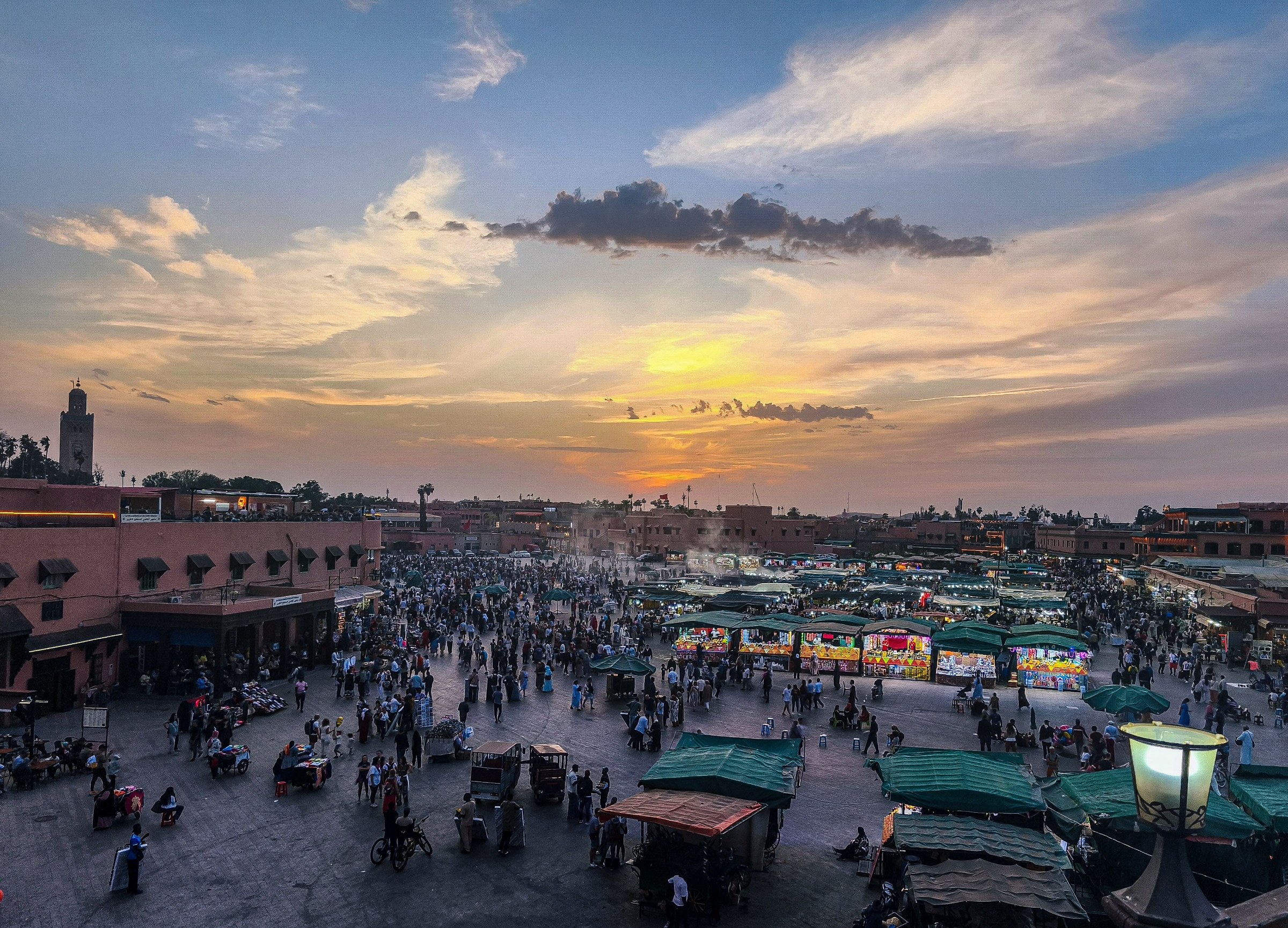
Each medina has its own character. Marrakech is lively, colourful and full of design-led shopping, from lanterns and rugs to leather bags, spices and home décor. Fez is known for deeper craft traditions, especially ceramics, leather, metalwork and old workshops hidden inside the historic medina. Essaouira offers a calmer coastal shopping experience, with art galleries, thuya wood, textiles and relaxed boutiques. Chefchaouen is smaller and visually striking, with woven goods, local crafts and a softer pace.
Shopping in the medina is best approached slowly. The most beautiful finds are not always on the main street. Some of the best workshops are tucked away in side alleys, upstairs showrooms or quiet courtyards. A private guide or local shopping expert can help travellers avoid tourist traps, understand fair pricing and identify artisans who produce genuine work.
One of the most popular things to buy in Morocco is a rug. Moroccan rugs vary widely by region, style, material and quality. Beni Ourain rugs are known for their soft wool and minimalist geometric patterns. Azilal rugs often feature more colourful, expressive designs. Kilims and flatweaves can be lighter and easier to transport. A good rug purchase should never feel rushed. Take time to understand the origin, wool quality, weaving technique and shipping options before deciding.
Ceramics are another classic Moroccan purchase. Fez is especially famous for blue and white ceramics, hand-painted tiles and traditional pottery. Safi is also known for ceramics, with more colourful and varied styles. When buying ceramics, look at the finish, weight, painting detail and whether the piece is intended for decoration or practical use.
Leather goods are widely available, especially in Fez and Marrakech. Bags, slippers, belts, poufs and jackets are common, but quality can vary significantly. Good leather should feel supple, well-stitched and properly finished. In Fez, visiting the tanneries can help travellers understand the traditional process, although it is best done with a guide who can explain the craft and help manage the experience.
Moroccan lanterns and metalwork are popular for home décor. Brass, copper and silver-coloured pieces can be beautiful when well made. Pay attention to the weight, finish, symmetry and detail of the work. Larger items may require shipping, so it is important to clarify packaging, delivery timing and costs before buying.
Spices are tempting in every medina, but travellers should buy thoughtfully. Ras el hanout, cumin, saffron, paprika, cinnamon, preserved lemons and herbal teas are common purchases. A guided spice visit can be useful, especially for understanding quality and avoiding exaggerated claims. For high-value products such as saffron or argan oil, quality and origin matter.
Textiles are also worth exploring. Morocco offers embroidered linens, woven blankets, scarves, djellabas, kaftans and cushions. Some pieces are made by hand, while others are factory-produced. This is not always obvious at first glance. Asking about the origin, material and production method can help you choose more responsibly.
Jewellery can be found throughout the medinas, from simple silver pieces to antique-inspired designs. In some regions, jewellery reflects Amazigh traditions and symbolic motifs. Buyers should be careful with claims about age, material or authenticity, especially for expensive items. For serious purchases, it is better to visit a reputable shop recommended by a trusted local expert.
Negotiation is part of the shopping culture in many souks, but it should be done respectfully. The goal is not to “win” aggressively or push the price unrealistically low. A fair negotiation is a conversation. Smile, take your time, decide what the item is worth to you, and be prepared to walk away politely if the price does not feel right.
For travellers who dislike bargaining, Morocco still offers many fixed-price boutiques, cooperatives and concept stores. These can be a good option for high-end shoppers who want a calmer experience and more curated products. Prices may be higher, but the quality, service and transparency can also be better.
Ethical shopping is increasingly important in Morocco. Buying directly from artisans, women’s cooperatives or reputable workshops can help ensure that more value stays with the people making the products. This is especially relevant for rugs, textiles, argan oil, embroidery and handmade homeware. A local expert can help distinguish between genuine cooperatives and purely commercial shops using the label for marketing.
A private shopping tour can be especially valuable in Marrakech or Fez. The right guide can tailor the experience to your interests, whether you are looking for interior design pieces, carpets, ceramics, fashion, spices, jewellery or gifts. They can also help with translation, negotiation, shipping and understanding the story behind each craft.
For luxury travellers, medina shopping can become a curated cultural experience rather than a chaotic retail stop. Imagine visiting a hidden artisan workshop, learning how zellige tiles are cut by hand, meeting a weaver, choosing a custom leather piece or enjoying tea while viewing rugs in a quiet showroom. These moments reveal the depth behind Moroccan craftsmanship.
It is also important to be realistic about time. Shopping in the medina takes longer than expected. Streets are narrow, choices are abundant, and good purchases require comparison. If shopping matters to you, plan a dedicated half-day rather than trying to squeeze it between major visits.
Travellers should also think about transport and luggage. Small items such as spices, scarves and ceramics are easy to carry, but rugs, lanterns, poufs and furniture may require professional shipping. Before making a large purchase, confirm whether the shop ships internationally, what the cost includes, whether insurance is available and how long delivery usually takes.
Some travellers worry about feeling pressured in the souks. This can happen, especially in very touristy areas. The best approach is to remain polite but clear. A simple “no, thank you” is usually enough. Avoid entering shops only to be courteous if you are not interested, as this can create unnecessary pressure.
A guide can reduce this stress, but the choice of guide matters. A good guide should adapt to your interests and never push you into shops that do not match your needs. For a refined experience, request a guide who understands artisan quality, design, ethical sourcing and your preferred shopping style.
Medina shopping is not only about what you buy. It is also about what you notice: the sound of metalworkers, the smell of cedarwood and spices, the colours of textiles, the patience of handwork, the social ritual of tea, and the way craft remains woven into Moroccan urban life.
A thoughtful shopping experience can add depth to a Morocco journey. It connects travellers to the people, materials and traditions behind the objects they take home. Whether you are buying a rug for your home, a small ceramic bowl, a handmade leather bag or simply exploring without pressure, Morocco’s medinas offer one of the country’s richest cultural encounters.
The best advice is simple: slow down, ask questions, compare quality, respect the artisan and buy what genuinely speaks to you. In Morocco, the most meaningful purchases often come with a story.
Frequently asked questions
Practical answers about this guide and planning your trip.
About the author
Youssef writes for MoroccoByInsiders on routes, culture, and practical planning across the kingdom.