LIVING HERITAGE · LOCAL EXPERTS

Fez, Morocco: Medina Guide, Tanneries and Local Advice

Ancient streets, artisan workshops, riads, tanneries, and cultural stories revealed with local insight.

Local experts · Fez

PlanQuoteOn-trip
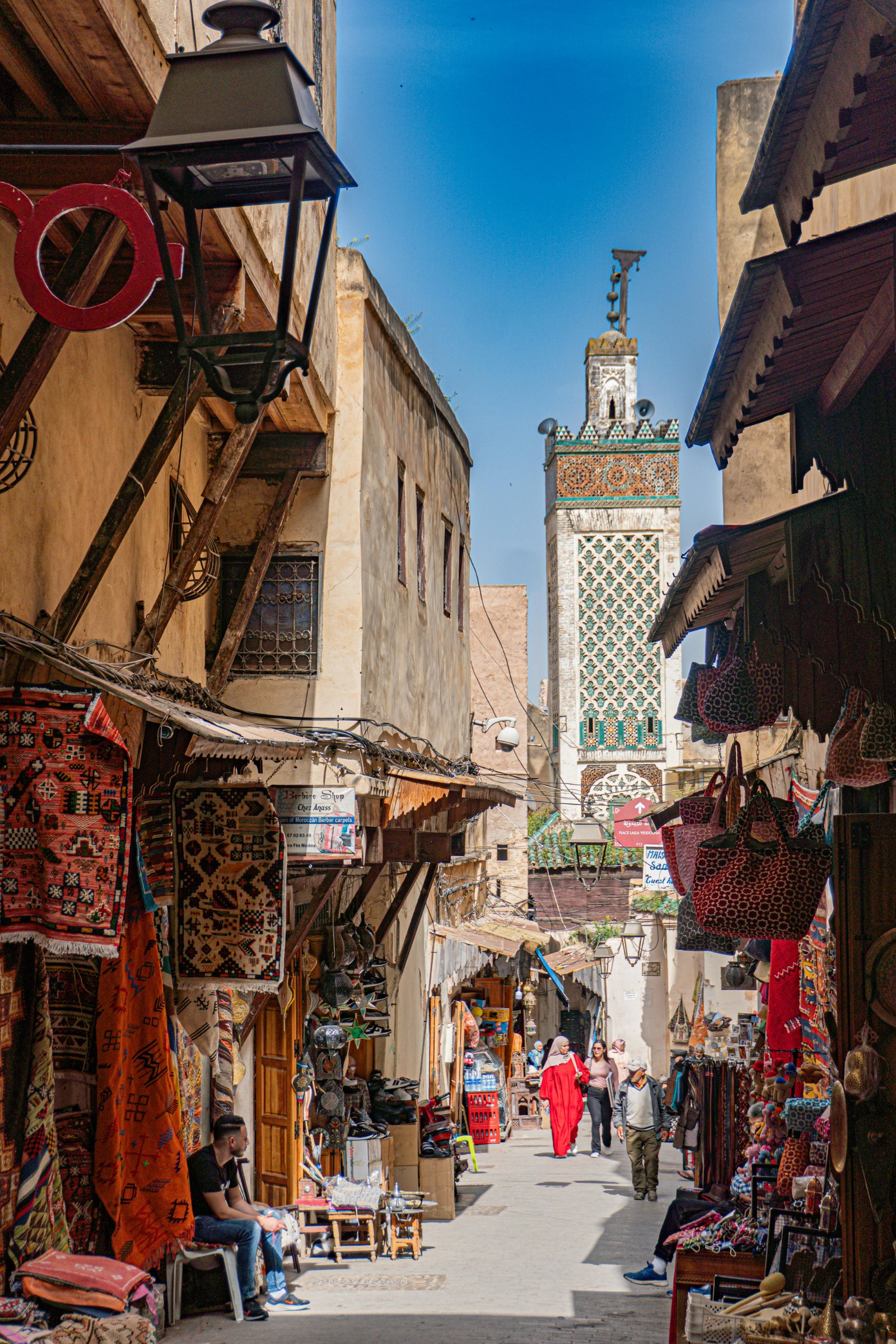
Talaa Kebira, the main shopping street of the Fez medina

MoroccoByInsiders

Curated routes, human pacing

Local field notes

Things to Do in Fez: Medina, Tanneries and Madrasas

Fez el-Bali is not a checklist city. Give it two full days and walk Bab Boujloud to Chouara, Bou Inania to Al-Attarine, with a rooftop pause when the heat climbs. Here is the short list we actually use with travelers.

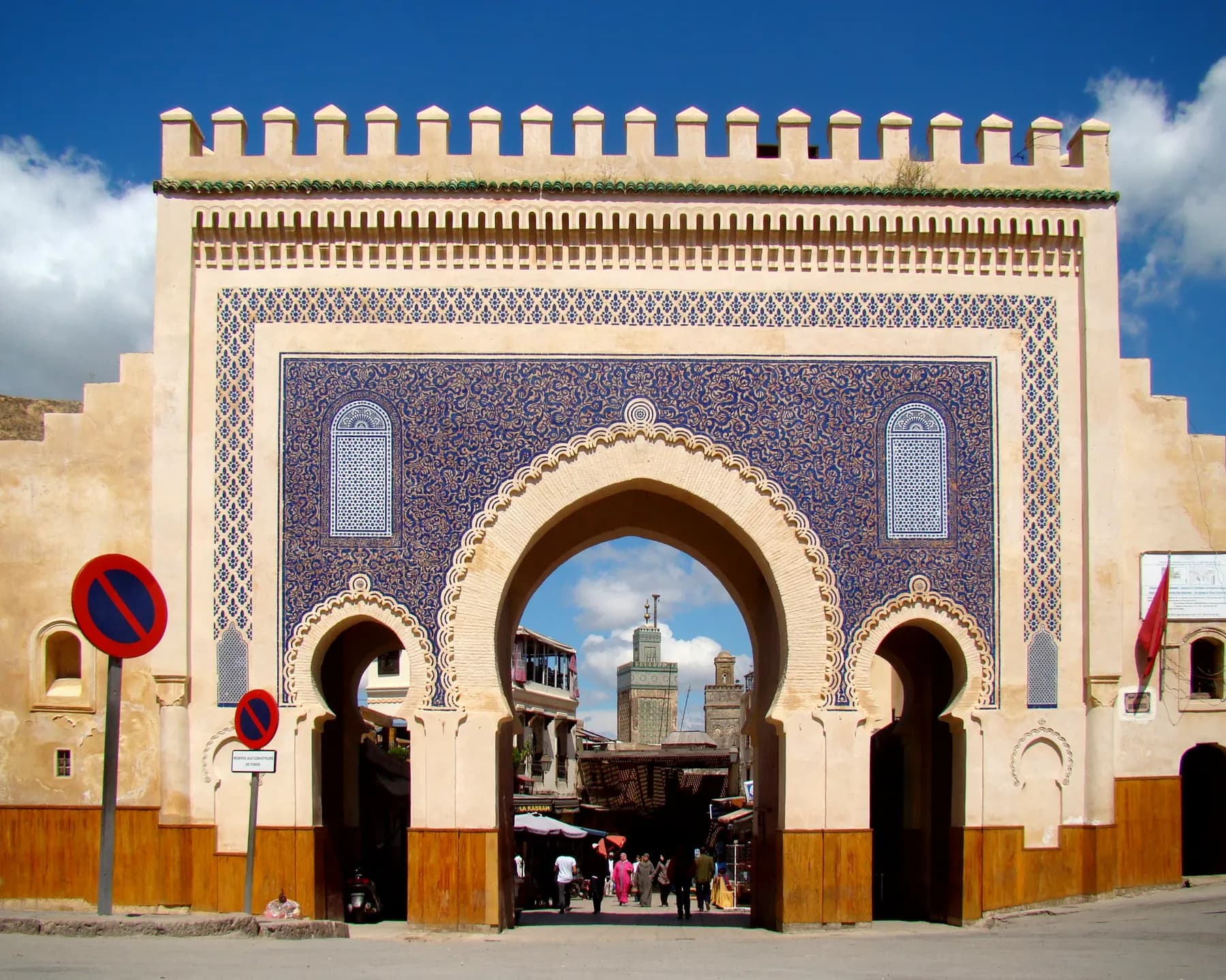
Bab Boujloud — the Blue Gate into Fez el-Bali

Bab Boujloud is where most first visits start: the blue-and-green tiled gate, cafés adjacent, and the fork into Talaa Kebira and Talaa Sghira. Arrive by 08:30 if you want photos without tour-bus clusters. From here a licensed guide prevents the classic Fez spiral — wrong turns into residential dead-ends and aggressive “shortcuts”.
Chouara Tanneries — leather pits and rooftop views

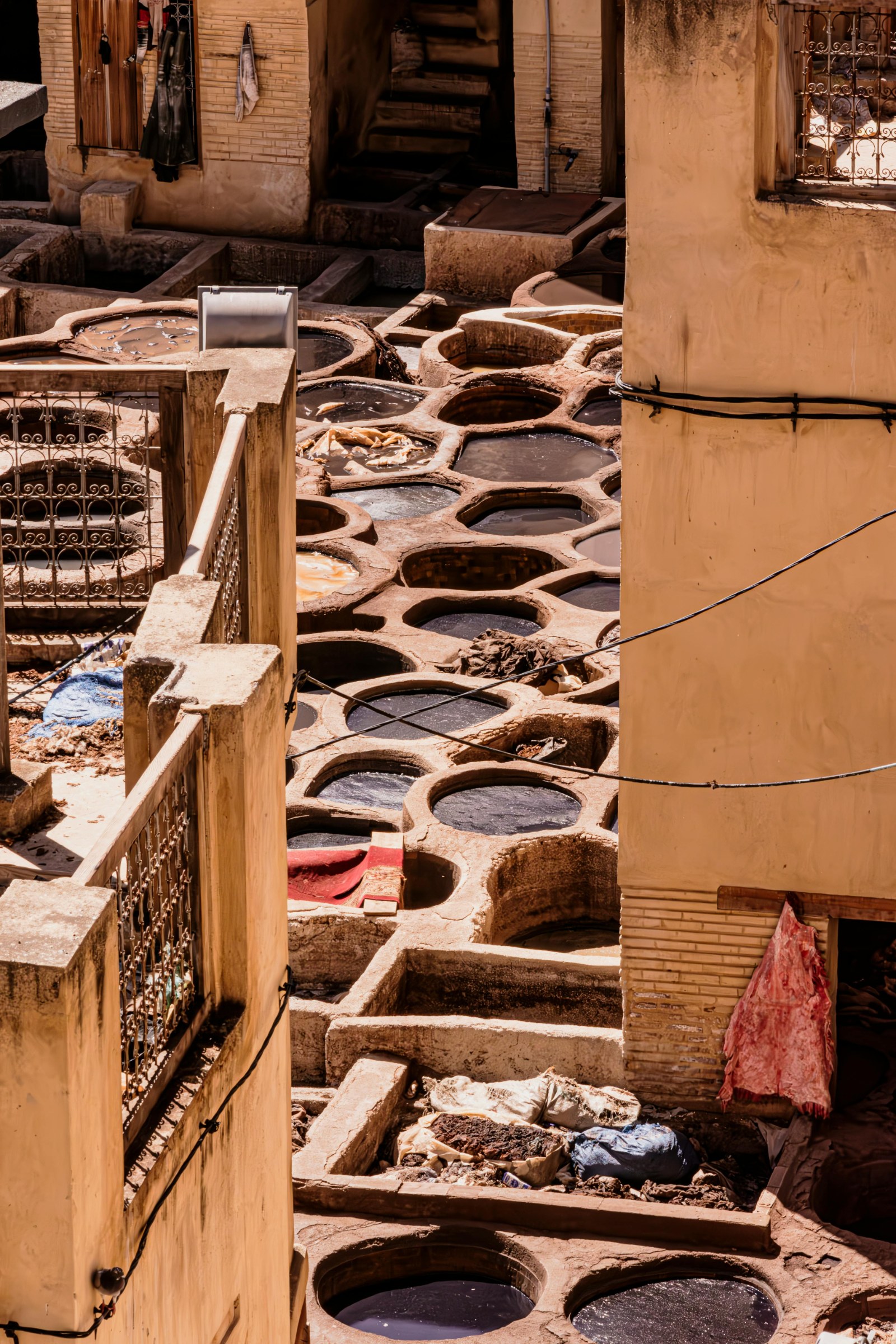
Chouara is the working tannery most visitors mean when they say “the Fez tanneries”. Go in the morning when dyeing is active; take the mint offered for the smell; stay on the terraces above the stone pits. Buy leather only if you want it — pressure selling is common. Pair Chouara with a nearby artisan stop so the visit feels like craft, not a photo raid.

Madrasa Bou Inania — the medina’s carved heart

Bou Inania is one of the few madrasas in Fez open to non-Muslim visitors (hours and access can shift — confirm the day you go). The cedar screens, marble, and prayer hall geometry explain why Fez was an intellectual capital. Budget 40–60 quiet minutes; do not rush it between souk stops.

Al-Attarine Madrasa and the spice streets

Al-Attarine sits near the perfume and spice lanes — smaller than Bou Inania, exquisite up close. Combine with the Nejjarine complex or a rooftop mint tea overlooking the medina roofs. This is the stretch where Fez smells like cedar, saffron, and fresh bread at once.

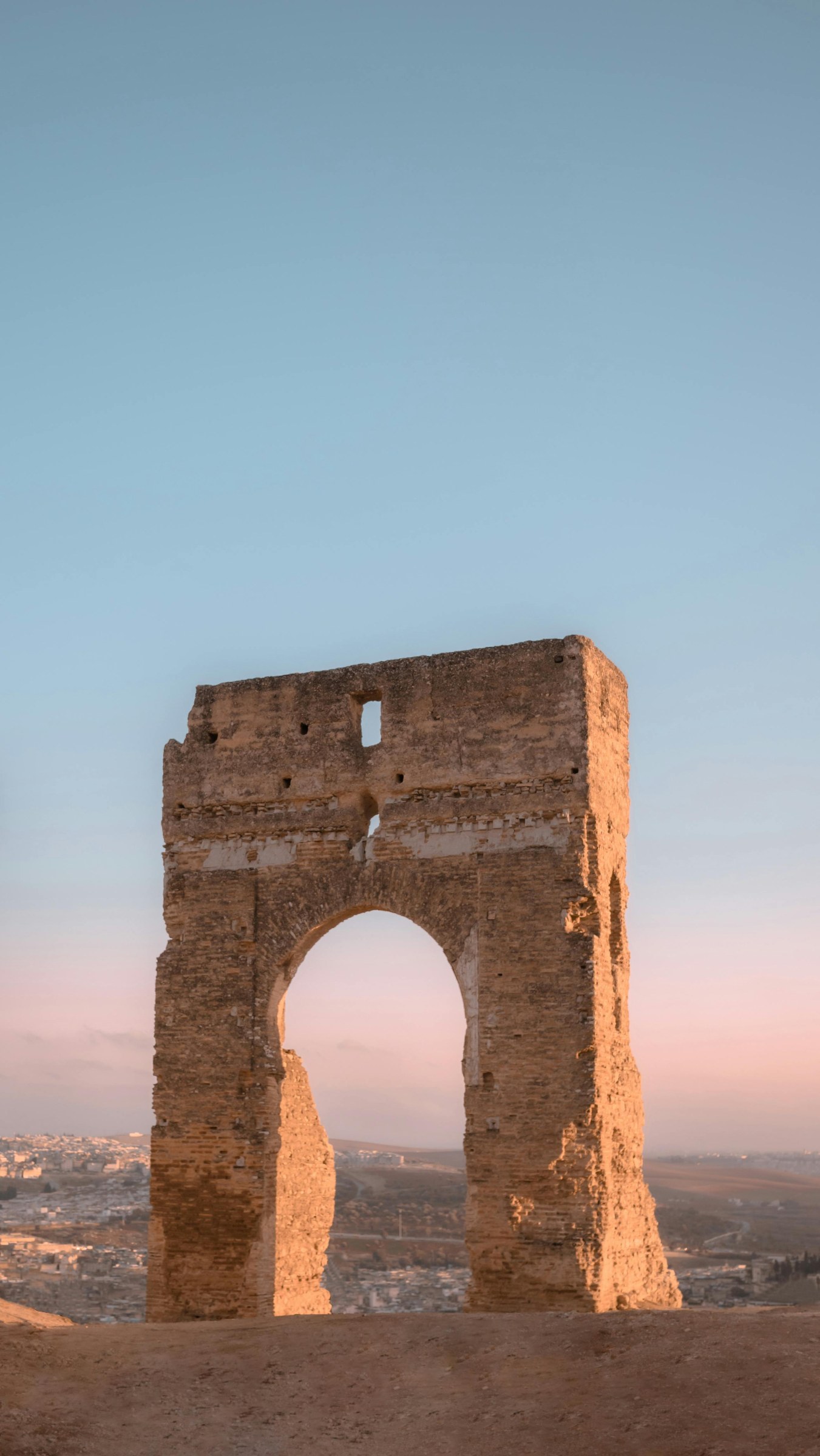
Merenid Tombs viewpoint at golden hour

Above the medina, the Merenid Tombs area gives the classic Fez panorama: minarets, satellite dishes, and the Middle Atlas haze. Go late afternoon; bring a light layer. It is the cleanest way to understand the city’s scale before you dive back into the lanes.

Bab Boujloud gate, the blue entrance to the Fez medina
01 / 05

Stop 01 of 05

Bab Boujloud — the Blue Gate into Fez el-Bali

Bab Boujloud is where most first visits start: the blue-and-green tiled gate, cafés adjacent, and the fork into Talaa Kebira and Talaa Sghira. Arrive by 08:30 if you want photos without tour-bus clusters. From here a licensed guide prevents the classic Fez spiral — wrong turns into residential dead-ends and aggressive “shortcuts”.
Timing

When to walk Fez

Compare all 4 windows — hover a column to focus.

Route logic

How to Fit Fez Into Your Morocco Itinerary

Most travelers give Fez 2–3 nights after Marrakech or before the north. From Fez, Chefchaouen is a half-day drive through the Rif; Meknes and Volubilis make a strong day trip; the Middle Atlas (Ifrane, cedar forests) is the cool-air counterweight to the medina. Avoid treating Fez as a single overnight if you care about Chouara and the madrasas — one rushed day only teaches the maze.

Merenid Tombs ruin above the Fez medina at sunset

Access

How to get to Fez

Fez-Saïss Airport (FEZ) is the easiest air gateway. Train links Marrakech and Casablanca via ONCF; private transfer from Marrakech is a long road day — better as an overnight stop or flight. Inside Fez el-Bali, walk or use a licensed guide; taxis drop at the gates (Bab Boujloud, Bab Rcif), not deep inside the UNESCO core.

Our take on Fez

Fez rewards people who accept getting lost once — then hire a guide the next morning. Name the places you care about (Bab Boujloud, Chouara, Bou Inania) and build the day around them, not around “seeing the medina”.
Brass lanterns, teapots and souvenirs on a stall in the Fez medina

Your journey

How it works

Explore Fez el-Bali with a local expert: medina navigation, tanneries, craftsmanship, and respectful cultural pacing.

Three clear beats — no dashboards, no cookie-cutter packages. Just a conversation that turns into a route you actually want to walk.

  1. 01Step 1

    Tell us your Fez travel style

    Share your dates, budget, pace and interests , from history and architecture to food, crafts, photography, family travel, luxury riads or day trips beyond the city.

  2. 02Step 2

    Plan with a Fez local expert

    Your expert helps you choose the right riad or hotel, guided medina visits, artisan encounters, food experiences, cultural sites and day trips, so your stay feels meaningful and well paced.

  3. 03Step 3

    Book with confidence

    Move forward once the itinerary, inclusions, accommodation and local support are clear, with responsive assistance before and during your trip.

Trip ideas

Fez trip ideas for curious travelers

From a first-time medina stay to a deeper cultural journey, Fez can be shaped around history, food, craftsmanship, architecture, photography, family travel or imperial city routes.

FAQ

Fez: practical questions

Quick answers you can refine with your local expert.

Season, festivals, and heat all change how Fez feels day to day. A MoroccoByInsiders expert aligns your dates with weather patterns, holiday crowds, and realistic pacing for walks and day trips.

Voices

TRAVELER STORIES

Chouara tannery vats in Fez seen from a terrace

“Fez felt overwhelming at first, but our local guide completely changed the experience. We discovered workshops, quiet courtyards and stories we would never have found alone.”

Elena R.

Traveled in October 2025

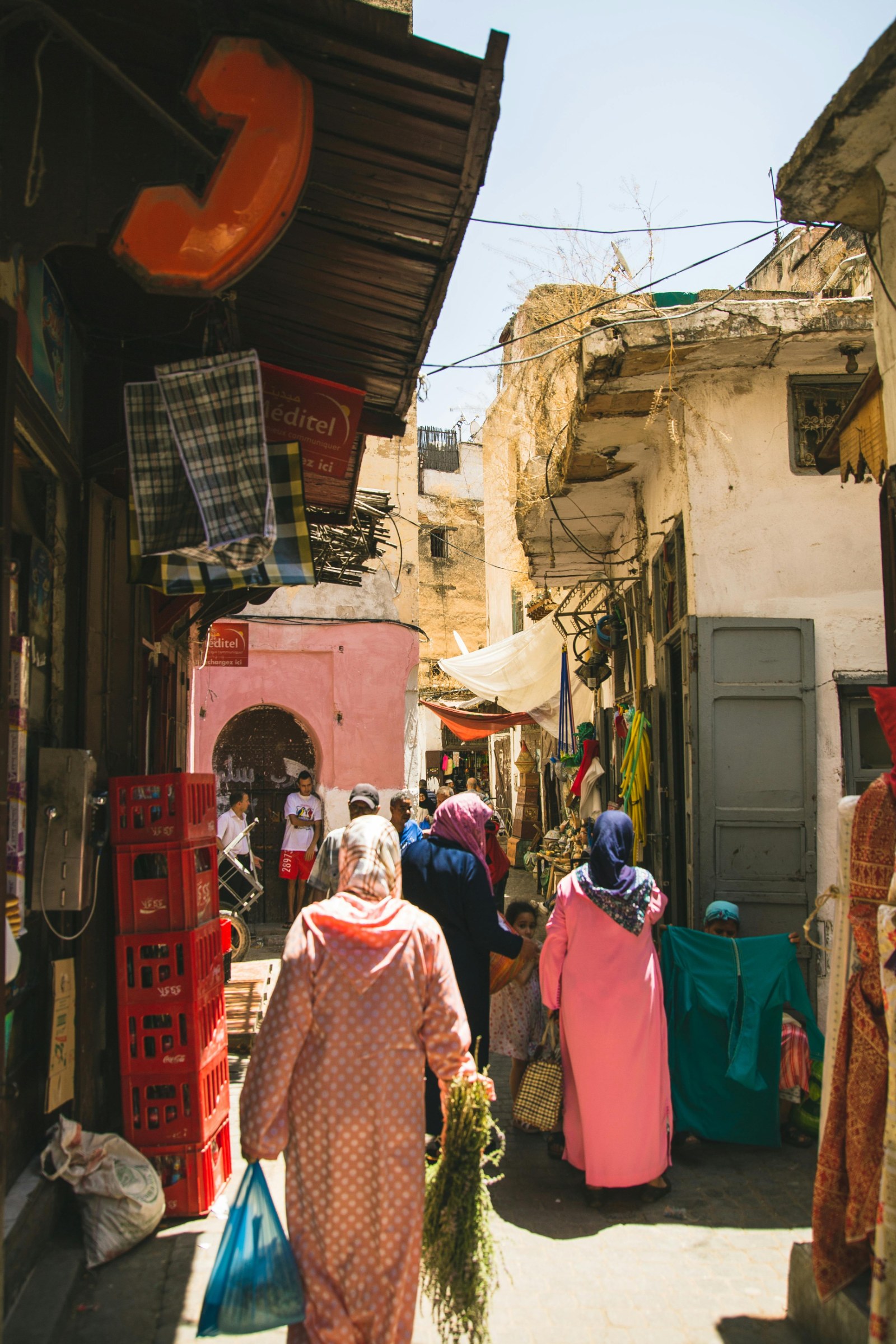
Women walking through a busy lane in the Fez medina

“Tannery visit + artisan stops without feeling pushed. That alone was worth the upgrade.”

Thomas P.

Traveled in January 2026

Merenid Tombs ruin above the Fez medina at sunset

Local impact

City tourism that supports Fez beyond the main monuments

  • Preference for locally rooted guides, riads, artisans, restaurants and cultural experience providers.
  • Itineraries designed to include artisan neighborhoods, traditional workshops, family-run addresses and lesser-known medina corners where possible.
  • Clear guidance on respectful behavior in the medina, including photography, bargaining, religious sites, clothing and interactions with local communities.