MEDITERRANEAN RIF · LOCAL EXPERTS

Al Hoceima, Morocco: Beaches, National Park and Rif Coast

Mediterranean coves, mountain views, national park trails, quiet beaches, and northern routes shaped with local care.

Local experts · Al Hoceima

PlanQuoteOn-trip
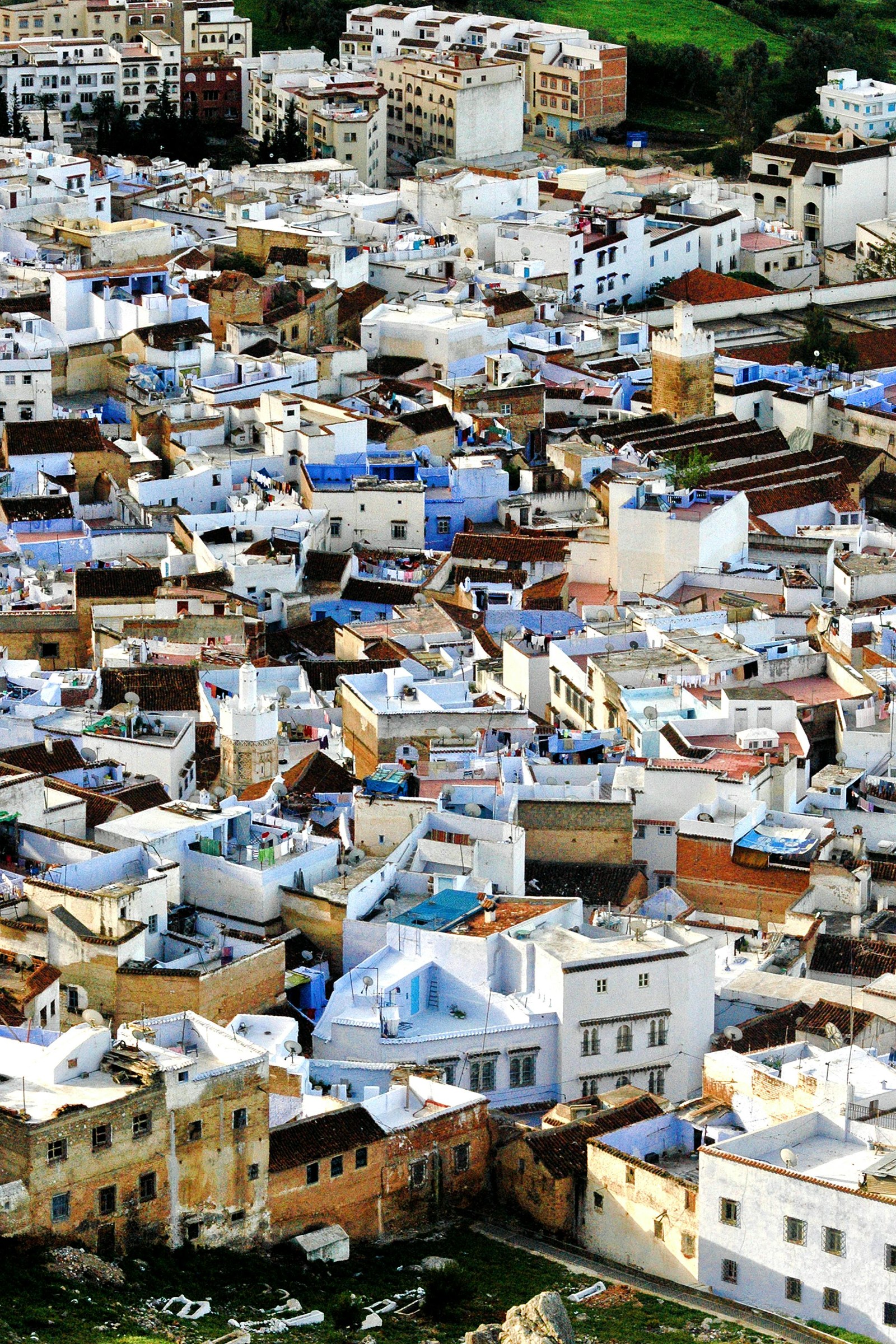
Whitewashed rooftops of a hillside medina in northern Morocco

MoroccoByInsiders

Curated routes, human pacing

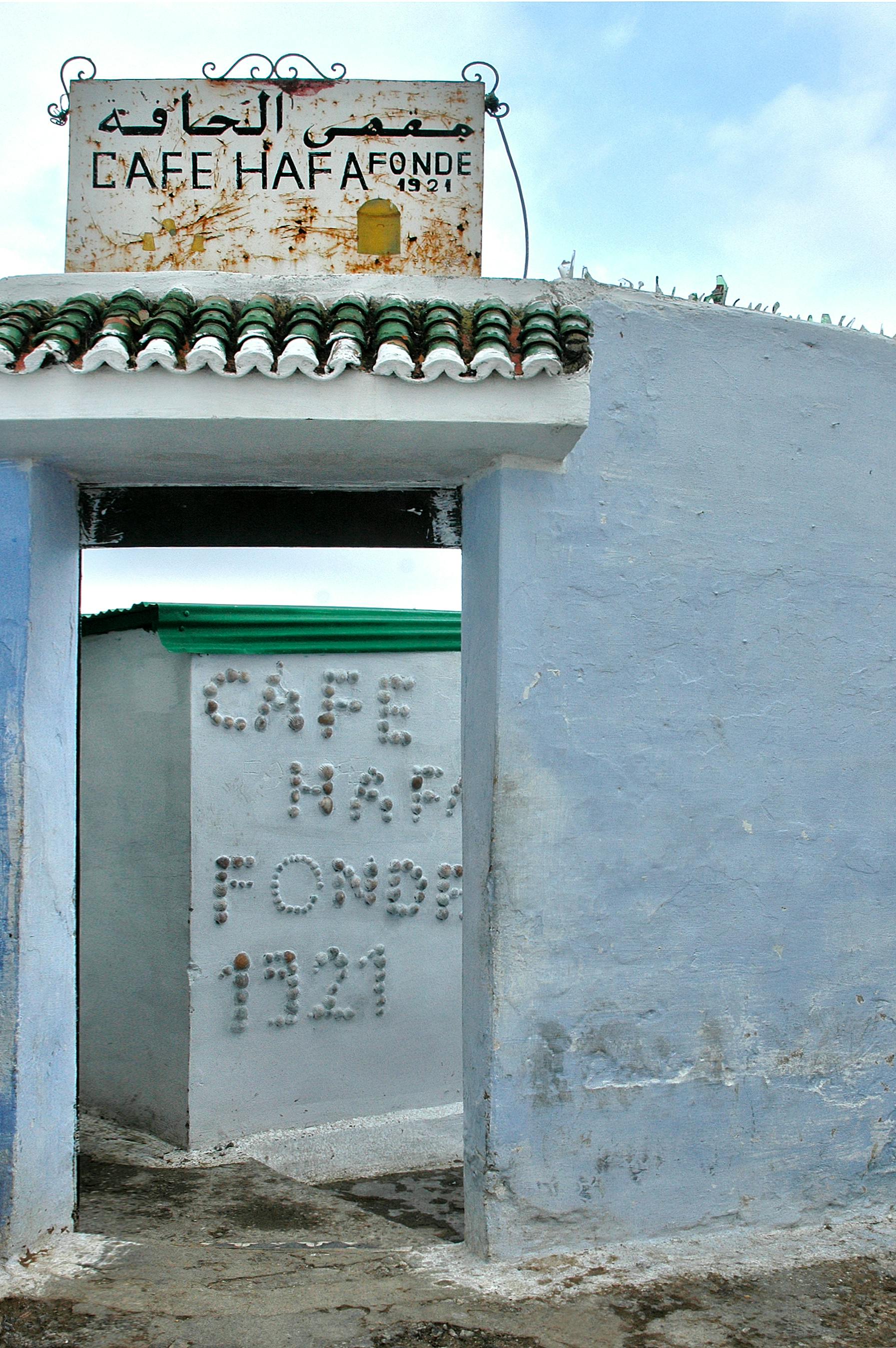
Entrance to Café Hafa, the clifftop café founded in 1921 in Tangier

REAL MEDITERRANEAN RHYTHM

Al Hoceima is for travelers looking for Morocco’s quieter coast

  • Smart pacing between beaches, coastal viewpoints, Rif landscapes and national park areas, so the journey feels peaceful rather than rushed.
  • Honest advice on where to stay and when to go, depending on season, beach access, road distances and the style of trip you want.
  • Experiences selected for nature, local value and atmosphere , Mediterranean coves, fishing villages, viewpoints, food stops and soft adventure.
Start a brief

Where next

Continue through Morocco from Al Hoceima

Al Hoceima closes or opens a northern Morocco loop through the Rif. Read our guides to the blue city of Chefchaouen, Tangier on the Strait, and Fez medina.

Reimagining travel

A fairer way to experience Al Hoceima

  • Work with experts who understand northern Morocco routes, beach seasonality, road timing, local accommodation standards and realistic access to nature areas.
  • Work with experts who understand northern Morocco routes, beach seasonality, road timing, local accommodation standards and realistic access to nature areas.
  • Support locally rooted drivers, guides, restaurants, guesthouses and coastal communities beyond the most visited beach areas.
Talk to an expert
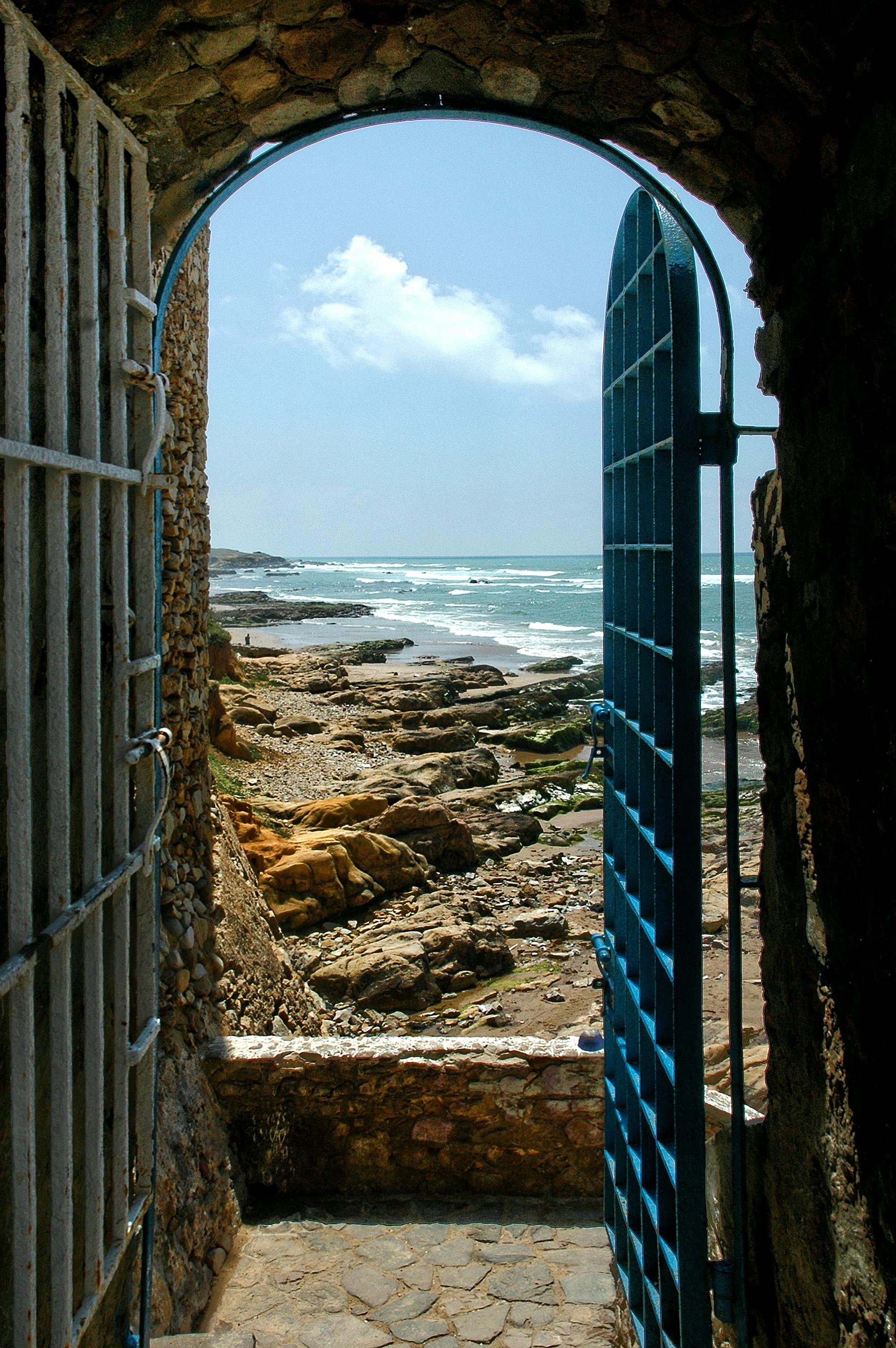
Blue iron gate opening onto a rocky shoreline and the sea

Local field notes

Things to Do in Al Hoceima

Al Hoceima is the one place in Morocco where a beach morning, a clifftop hike and a plate of fish straight off the boat all fit into the same day. Most travellers who visit Al Hoceima do it as a single stop between Chefchaouen and Tangier — give it two nights and it becomes the best-value stretch of northern Morocco. Here’s our working short list of things to do in Al Hoceima, in the order we’d actually do them.

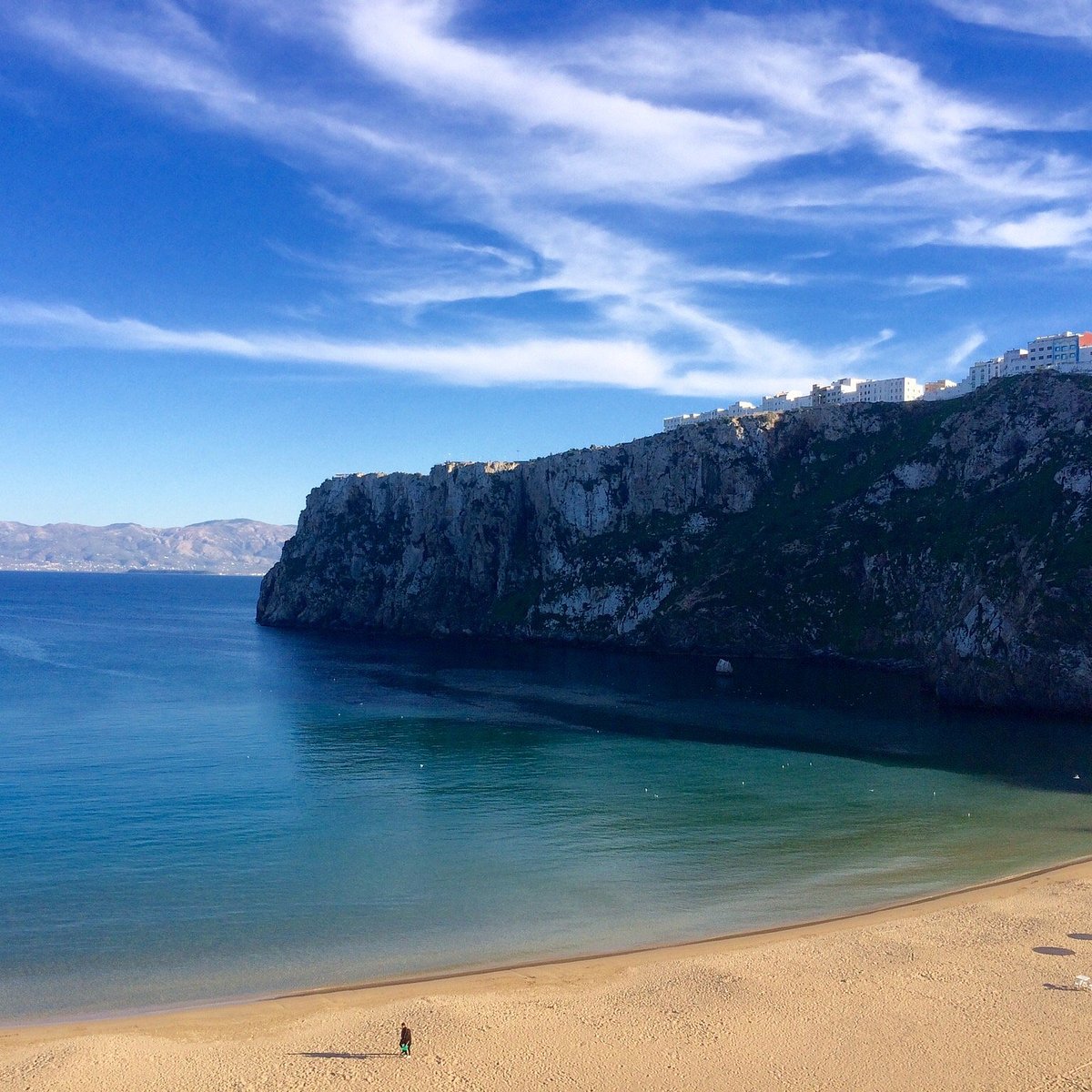
Start at Quemado Beach, the city’s front door

Quemado is the beach at the bottom of the cliff, right in town: take the steps down behind the corniche cafés or the road that drops in at the western end. In July and August the parking along the corniche is gone by about 09:30, so we swim at 08:00 with the local men doing lengths before work. The water stays flat most mornings because the bay shelters it. In summer a few sunbeds and straw umbrellas appear on the sand; the cafés above do a cheap breakfast. Skip midday in August — the sand burns and the bay fills up.
Sfiha Beach — the long one, 8 km east

Sfiha runs roughly two kilometres of pale sand about 8 km east of town on the Ajdir road, past the airport turnoff. Local families park at the near end and set up for the day; the far end, near the big resort, is quieter. There is almost no natural shade, so bring or rent an umbrella, and note that the wind swings round off the land after about 14:00 and chops the water up — swim in the morning. Outside July and August, on a weekday, you can have a whole stretch to yourself. One summer café, so carry water.

Cala Iris — the bay worth the drive

Cala Iris sits 50–60 km west of Al Hoceima on the N16, past Bni Boufrah, and it is the prettiest swim on this coast: a turquoise crescent with a handful of fishing boats and a small campsite behind it. Turn off at the sign and follow the rough track down — fine in a normal car, miserable in anything low. Come on a weekday morning in June or September; in August the campsite empties onto the sand by 10:00. There are one or two simple cafés and no card machine, and no ATM for 50 km, so bring cash.

Hike Al Hoceima National Park

The national park was created in 2004 and covers roughly 48,000 hectares, close to 19,000 of them marine — cliffs, pine and the last quiet stretch of this coastline. Two walks earn the day: the Torres trail, about 6 km and three hours, starting near Cala Iris village along the clifftops; and the Bades peninsula loop, 12 km and around five hours, more exposed, with the best views back into the Rif. Hiking is free and needs no permit. Start by 08:00, wear closed shoes — the limestone is sharp — and carry more water than feels sensible.

Take a boat out along the coast

The marina is where the small boats leave, and half a day on the water is the only way to see this coast properly: cliffs, coves with no road access, and a swim stop at Cala Bonita when the skipper’s route includes it. Ask before you pay whether the trip covers swimming and how long you get in the water — most boats are chartered by the boat, not per head, so four of you pay what two would. Go in the morning; the wind builds after lunch and the run back gets bumpy. Take a light jacket and cash.

Watch the fishing port come alive

This is a working port — sardines, mackerel, hake, octopus — and the boats land through the late afternoon. Be on the quay around 17:30 as the market wakes up: choose your fish, agree a price per kilo, then hand it to one of the grill men at the stalls behind the harbour and pay them separately for the cooking. Grilled sea bream, sardines or prawns with bread, olives and lemon. It beats the seafood terraces on the corniche, where you’re paying for the view. Timings shift during Ramadan.

The Spanish-influenced old town, at paseo hour

Al Hoceima was founded as Villa Sanjurjo in the mid-1920s, and the centre still shows it: a straight colonial street grid, low arcaded buildings, an old Spanish church, squares built for strolling rather than defence. There’s no medina here, which is exactly why the city feels calm after Fez or Marrakech. Come out between 18:30 and 20:00, when families walk, kids play football and the cafés fill with men over coffee. Mid-afternoon is dead — most shops shut from about 13:00 to 16:00. Away from the seafront, dress a little more covered than you would on the beach.

Drive the Rif coast, village to village

The coast road west of Al Hoceima is the real thing: 16th-century Torres de Alcalá with its watchtower above the cove, then Rouadi and Bni Boufrah, terraces of figs and olives dropping to the sea. It’s slow — allow an hour for 50 km — and stopping three times for photos is normal. Rifian hospitality means you’ll be offered mint tea; take it and drink at least a glass, because refusing reads as a snub. Ask before photographing people, especially women, and keep the camera down anywhere near a police post or checkpoint.

Quemado Beach in Al Hoceima, sheltered bay below the cliff
01 / 08

Stop 01 of 08

Start at Quemado Beach, the city’s front door

Quemado is the beach at the bottom of the cliff, right in town: take the steps down behind the corniche cafés or the road that drops in at the western end. In July and August the parking along the corniche is gone by about 09:30, so we swim at 08:00 with the local men doing lengths before work. The water stays flat most mornings because the bay shelters it. In summer a few sunbeds and straw umbrellas appear on the sand; the cafés above do a cheap breakfast. Skip midday in August — the sand burns and the bay fills up.
Route logic

How to Fit Al Hoceima Into Your Morocco Itinerary

Al Hoceima sits on the Mediterranean leg of the northern loop: about 220 km and 3h30–4h20 from Chefchaouen through the Rif, roughly 285 km from Tangier, and around 350 km from Fez. Treat it as a two-night stop rather than a day trip — one day for Quemado and Sfiha, one for the park and Cala Iris, with the port and old town filling the evenings. On our northern Morocco circuits it slots in after Chefchaouen and before Tangier, and it’s the natural landing point if you’re crossing from Spain by ferry. If you only have one day, do the park and one beach properly instead of rushing both.

Where to base yourself
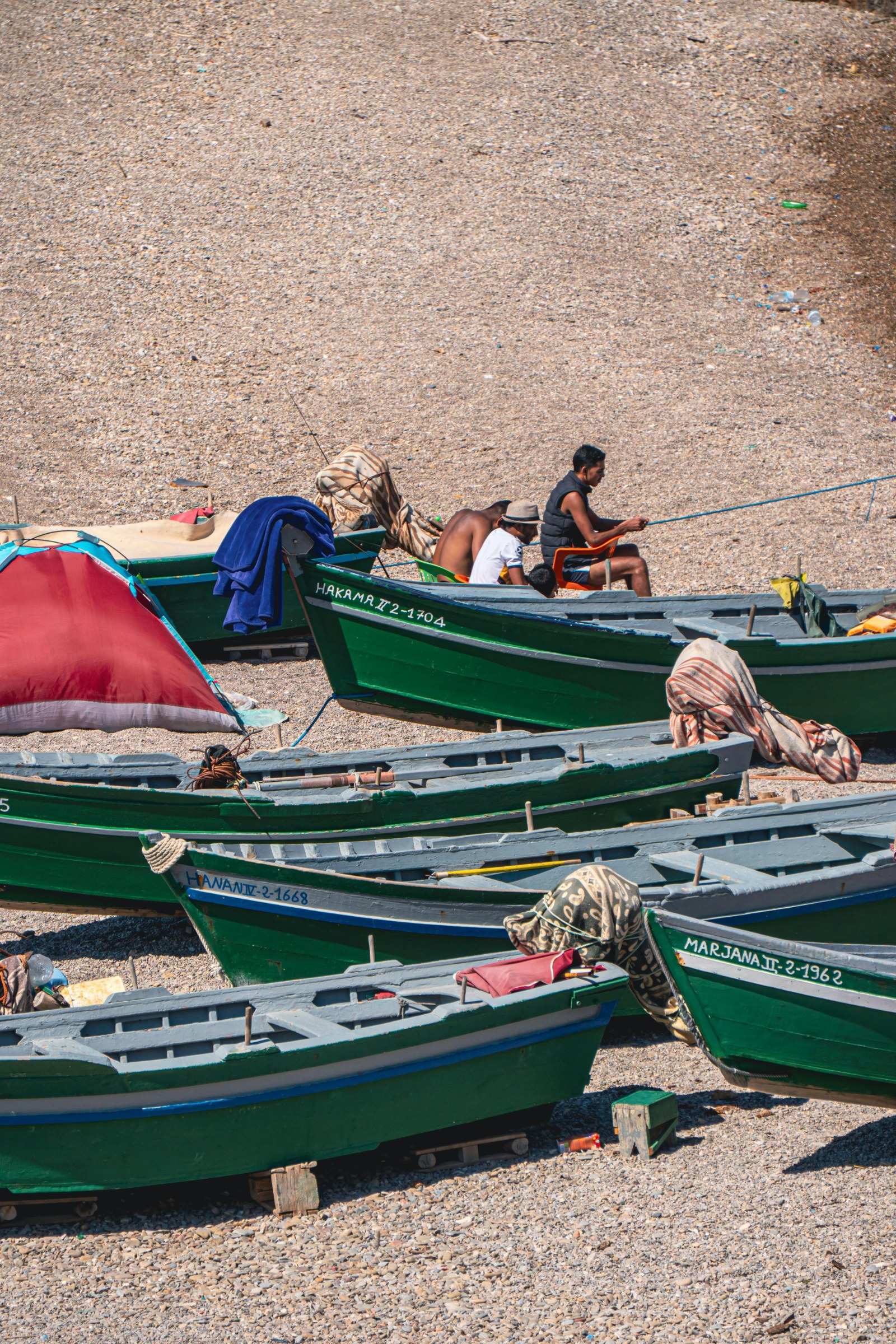
Fishermen and green wooden boats on a pebble beach on the Rif coast

Access

How to get to Al Hoceima

Cherif Al Idrissi Airport (AHU) sits east of town near the Ajdir / Sfiha road — useful when domestic or seasonal flights line up with your dates. By road: Chefchaouen is roughly 220 km (plan 3h30–4h20 through the Rif); Tangier about 285 km; Fez around 350 km. Petit taxis cover Quemado and the centre; for Sfiha, Cala Iris and park trailheads you’ll want a car or a day driver. Grand taxis can reach Cala Iris, but negotiate the return before you leave.

My take

Would we send a first-time Morocco traveller straight to Al Hoceima? Only if they already know they want Mediterranean quiet more than medinas. For a classic first trip, place it after Chefchaouen on a northern loop — not instead of Fez or Marrakech. If beaches and national-park hiking are the point of the week, Al Hoceima earns the nights.
Entrance to Café Hafa, the clifftop café founded in 1921 in Tangier

Lodging by area

Where to Stay in Al Hoceima

Ask “where to stay in Al Hoceima” and the honest answer starts with a correction: there’s no hotel strip here, and no medina to tuck into. Four areas do the work, and they feel nothing alike. The centre is compact — 20 minutes on foot end to end — but choosing between it, the Sfiha seafront, the Cala Iris side and the Rif villages decides how much driving your trip involves. We’ve placed travellers in all four.

Fair warning: Al Hoceima hotels are small. Few run past 50 rooms and there’s no international chain row. Supply thins out sharply from October to May, when some seafront places shut entirely. That’s the trade-off for a coast that was never built up.

Full lodging guide: Where to stay in Al Hoceima — hotels by area →

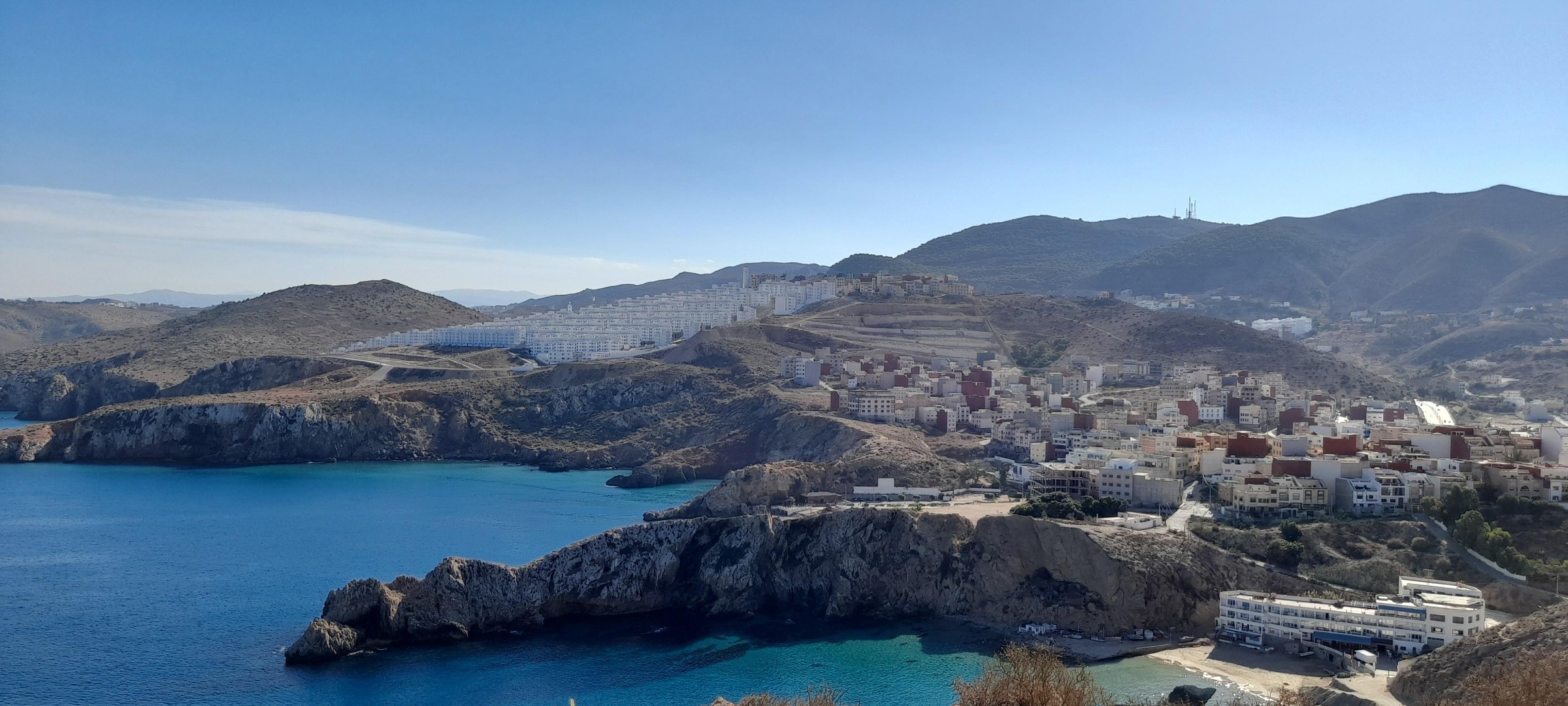
View over Al Hoceima bay, the town and its cliffs
Centre

The city centre, near Quemado Beach and the port

Suits: First-timers, couples without a hire car, anyone who’ll visit Al Hoceima for just two nights.

Atmosphere. The Spanish-built grid of low arcaded buildings, cafés and a corniche where families walk from about 18:30. Calm — no carpet touts, no scooters hounding you.

Beaches and port. Both are on your doorstep. Quemado, the town beach, sits at the bottom of the steps behind the corniche cafés, five minutes from most central rooms. The fishing port is a 10–15 minute walk west, and the marina where the coast boats leave is right beside it.

Comfort and price. Roughly 300–600 MAD (about $30–60) a night for simple, clean, air-conditioned rooms, rising to 600–1,200 MAD ($60–120) for the better mid-range places with a lift, a restaurant and a terrace. Nothing central is a resort.

What to check before you book

  • Season beats star rating. Plenty of coastal properties shut from November to March and reopen around May or June. Get your dates confirmed in writing, not just the listing.
  • “Sea view” has grades. A rooftop glimpse of water and a balcony over the sand read identically on a booking page. Ask for the floor, the orientation and a photo of the actual room.
  • Parking. Central hotels often have none or one tight garage; Sfiha and Cala Iris are easier. If you’re driving, confirm it — corniche parking is full by 09:30 in summer.
  • Distance to the port, if you’re diving or taking a boat. Morning charters to the coves and Cala Bonita leave from the marina, so a town-centre base saves you a 05:30 drive.
  • Set your expectations. Al Hoceima is far less developed than Marrakech or Fez: thinner service, fewer English speakers, far less hassle. That’s the appeal — but a 4-star here isn’t a Marrakech 4-star. Check current UK FCDO travel advice for Morocco before you book.

Where to stay if you are on a private tour

On a MoroccoByInsiders private tour, you don’t pick a hotel off a list — the accommodation is chosen with your local expert and matched to the itinerary you build together. Two nights in the centre so you can walk to dinner, then a resort night at Sfiha before the national park? That’s a normal brief. Rooms are priced into the trip, so changing area changes what you pay: our 2–4 night Al Hoceima add-ons run US $600–$2,200 per person, depending on comfort tier and season. Send your dates and rough comfort level through the trip configurator and the expert who actually drives these roads will come back with options.

Start a brief

Timing

When to go — Mediterranean, not Marrakech

Compare all 4 windows — hover a column to focus.

Your journey

How it works

Al Hoceima Morocco: Quemado, Sfiha and Cala Iris beaches, Al Hoceima National Park, fishing port and Rif coast — planned with local experts.

Three clear beats — no dashboards, no cookie-cutter packages. Just a conversation that turns into a route you actually want to walk.

  1. 01Step 1

    Tell us your Al Hoceima travel style

    Share your dates, pace, budget and interests, from beach time and nature walks to family travel, coastal drives, local food, photography or quieter northern Morocco routes.

  2. 02Step 2

    Plan with a local expert

    Your expert helps you choose the right beaches, viewpoints, accommodation, route, transfer timing and nature experiences, so Al Hoceima feels smooth and well balanced.

  3. 03Step 3

    Book with confidence

    Move forward once the itinerary, inclusions, accommodation and local support are clear, with responsive assistance before and during your trip.

Trip ideas

Al Hoceima trip ideas for quiet coastal travel

From a peaceful Mediterranean stay to a deeper northern Morocco route, Al Hoceima can be shaped around beaches, nature, family travel, photography, local food and Rif Mountain landscapes.

No published partner circuits for Al Hoceima yet. Browse the full catalog or plan a tailor-made route with a local expert.

FAQ

Al Hoceima: practical questions

Quick answers you can refine with your local expert.

The best time to visit Al Hoceima is generally from late spring to early autumn for beach weather. Spring and autumn are also pleasant for coastal walks, viewpoints and nature experiences, with fewer crowds than peak summer.

Voices

TRAVELER STORIES

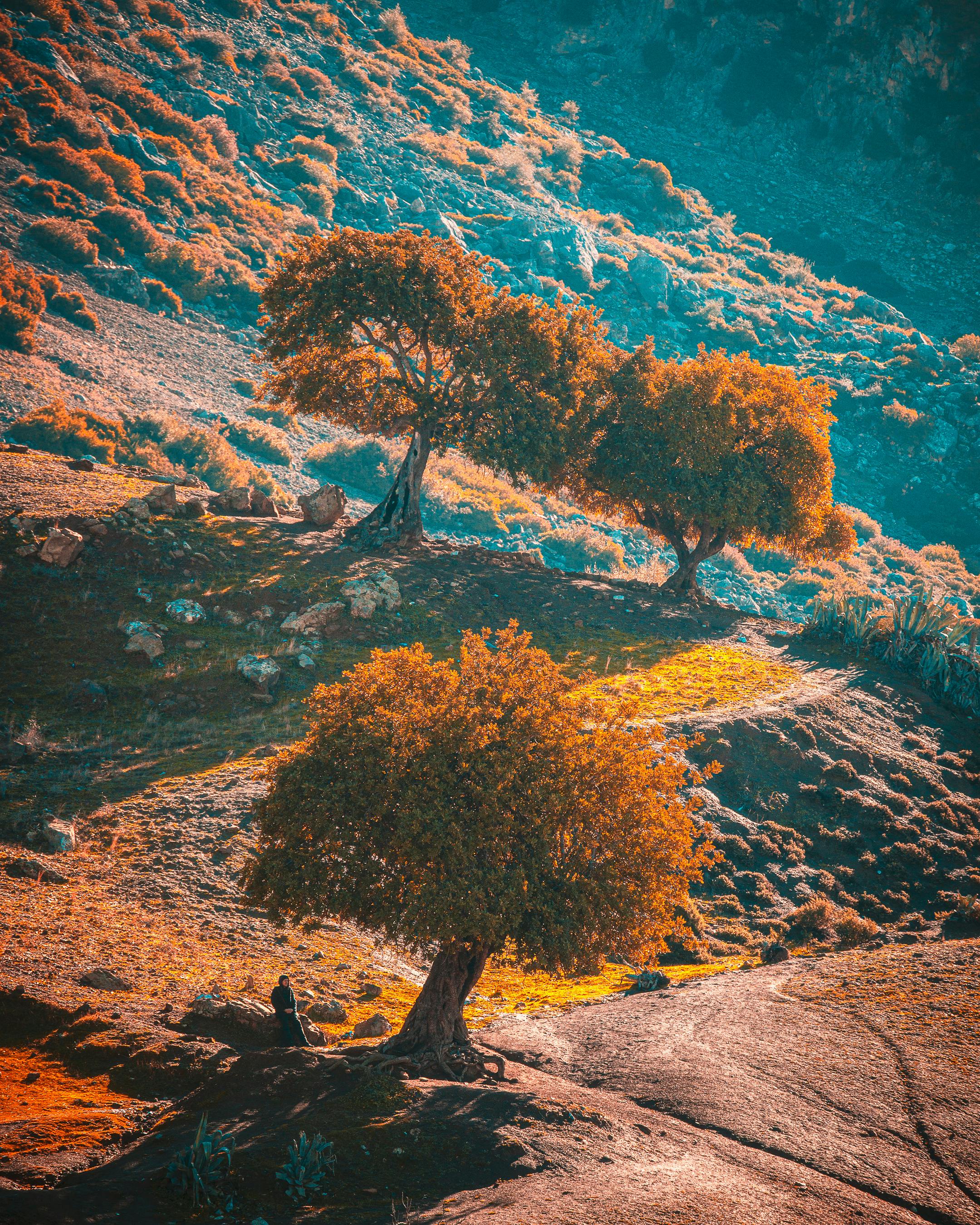
Trees on a sunlit rocky mountain slope

“We wanted a quieter coast than the usual places. Our local expert helped us discover Al Hoceima, with beautiful beaches, mountain views and a much calmer rhythm.”

Nadia K.

Traveled in July 2026

Fishermen and green wooden boats on a pebble beach on the Rif coast

Local impact

Coastal tourism that supports Al Hoceima beyond the beach

  • Preference for locally rooted drivers, guides, restaurants, guesthouses and nature experience providers.
  • Routes designed to include coastal viewpoints, local food stops, villages, natural areas and quieter beaches where possible.