Travel Tips
Sahara Desert: What to Expect and How to Prepare
A practical guide to planning a Sahara Desert journey in Morocco, from luxury camps and camel rides to driving distances, seasons, packing tips and private desert experiences.
The Sahara Desert is one of Morocco’s most powerful travel experiences. For many travellers, it is the image that first comes to mind when imagining the country: golden dunes, camel rides at sunset, quiet nights under the stars and remote camps surrounded by silence.
But a successful Sahara journey requires realistic planning. The desert is beautiful, but it is also remote. Driving times can be long, temperatures change dramatically, and the quality of the experience depends heavily on the route, season, camp, guide and pace of the itinerary.
For travellers seeking a refined Morocco journey, the Sahara should not be treated as a quick photo stop. It deserves time, comfort and thoughtful logistics. With the right planning, a desert experience can become one of the most memorable parts of a tailor-made Morocco itinerary.
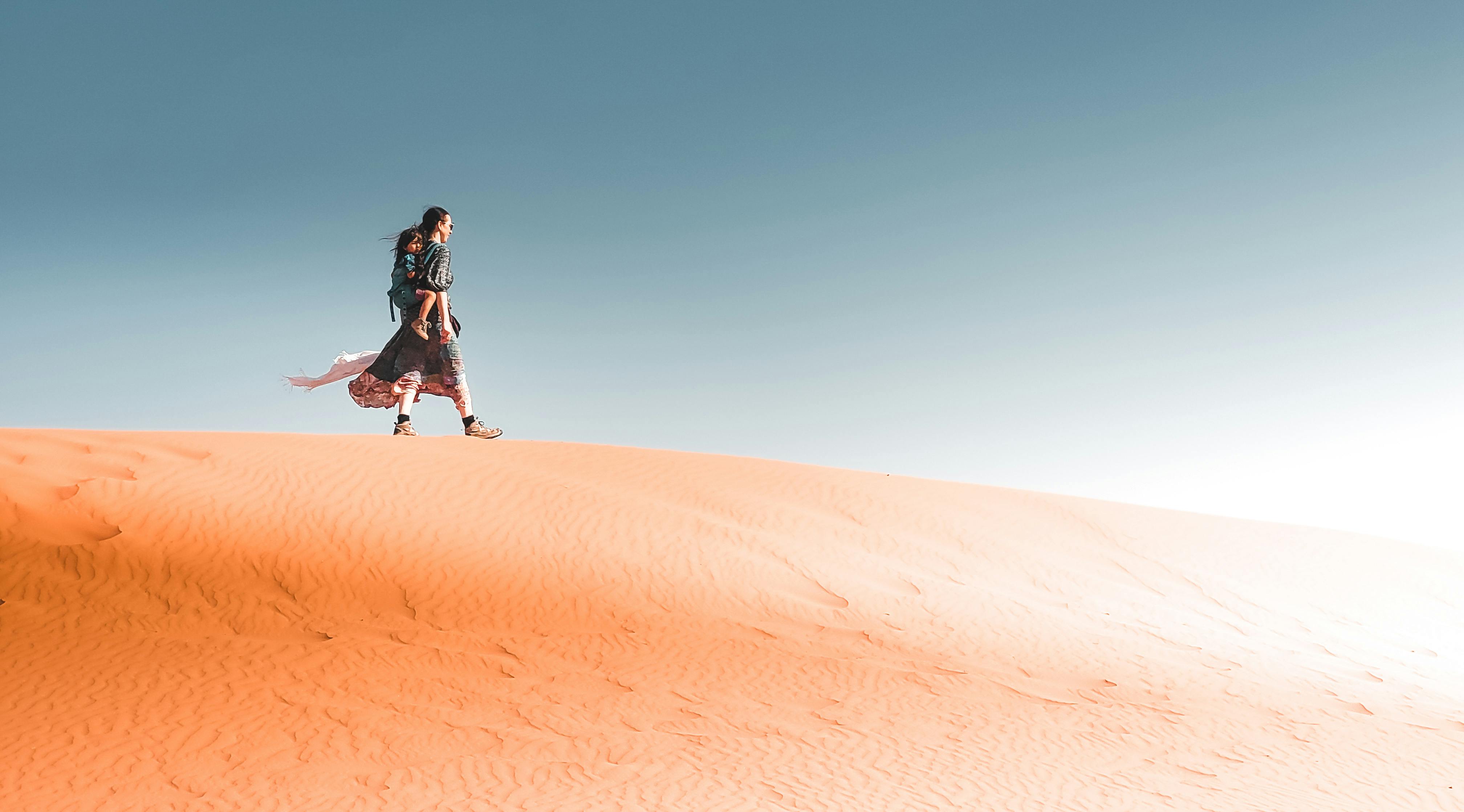
Most travellers visiting the Moroccan Sahara go to Merzouga and the Erg Chebbi dunes. This is one of the country’s most iconic desert landscapes, with high sand dunes, camel routes, desert camps and dramatic sunrise and sunset views. Erg Chebbi is especially popular because it offers the classic dune experience many travellers are looking for.
Another desert region is Erg Chigaga, reached from the M’Hamid area. It feels more remote and wild, but it generally requires more time, more 4x4 driving and more careful planning. It is best suited to travellers who want a deeper expedition-style experience rather than a short desert extension.
The first thing to understand is that the Sahara is far from Morocco’s main cities. From Marrakech or Fez, reaching Merzouga usually involves a long journey. For comfort, the route is often split with overnight stops in places such as Ouarzazate, Skoura, the Dadès Valley, the Ziz Valley or Midelt. Trying to reach the desert too quickly can make the journey feel rushed and tiring.
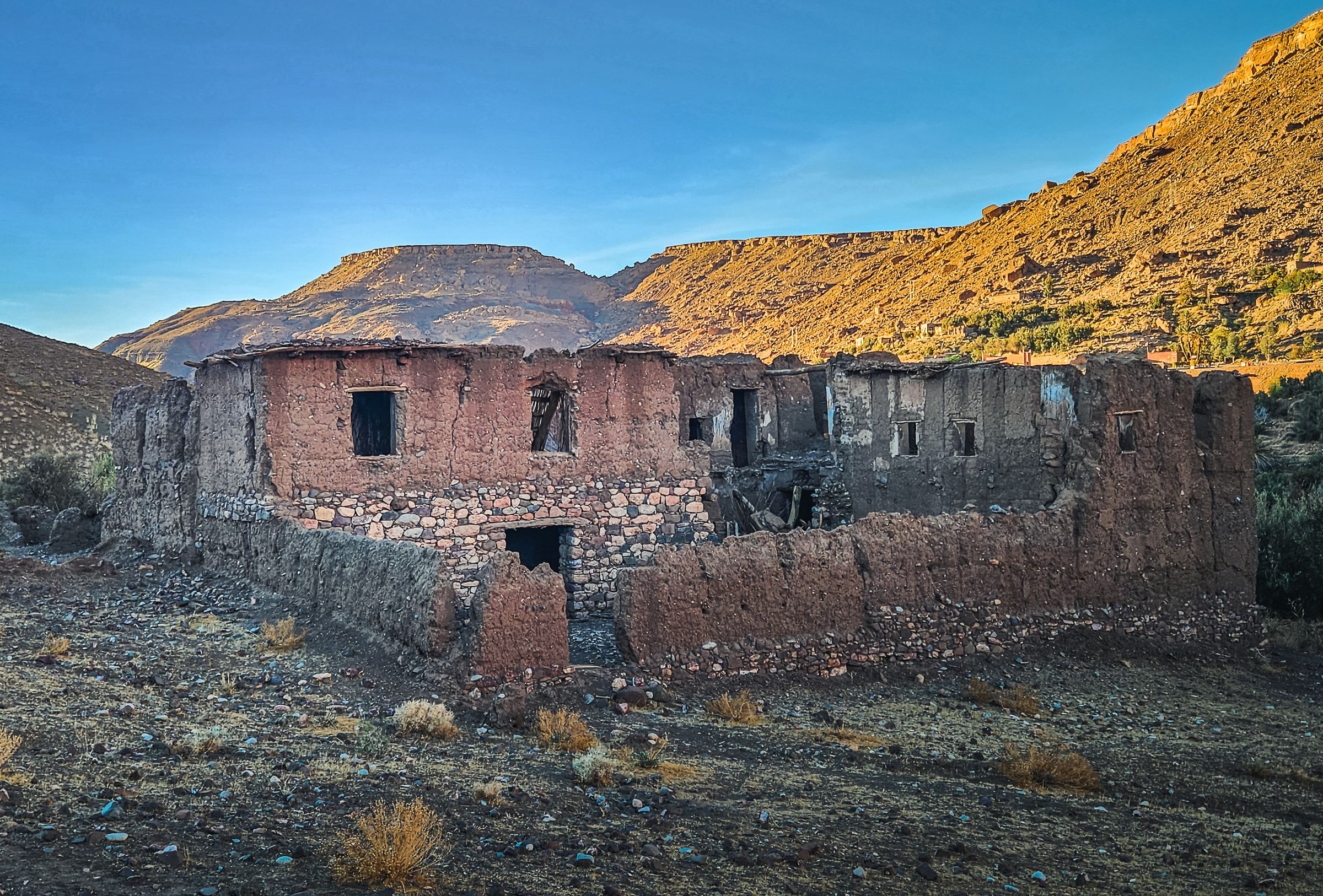
The road to the Sahara is part of the experience. From Marrakech, travellers cross the High Atlas Mountains, pass kasbah landscapes, valleys, palm groves and dramatic southern scenery before reaching the dunes. From Fez, the route passes through the Middle Atlas, cedar forests, mountain towns and the Ziz Valley. These landscapes give context to the desert and should not be ignored.
A well-designed desert itinerary usually includes at least one night before the dunes and one night in the desert camp. For a more comfortable pace, two nights in or near the desert can be much better. This allows time for sunset, sunrise, a 4x4 excursion, local music, tea in a nomadic-style setting, or simply quiet time in the dunes.
Luxury desert camps in Morocco vary widely. Some offer proper beds, private bathrooms, quality bedding, heating or cooling depending on the season, refined meals and comfortable lounge areas. Others are more basic. For high-end travellers, it is important to confirm the level of comfort before booking, especially if travelling in colder months or with children.
Luxury in the Sahara is not only about the tent. It is about privacy, service, location, atmosphere and smooth logistics. A good desert experience should feel peaceful and well organised, not crowded or improvised. Private transfers, attentive staff, good timing and a carefully selected camp make a significant difference.
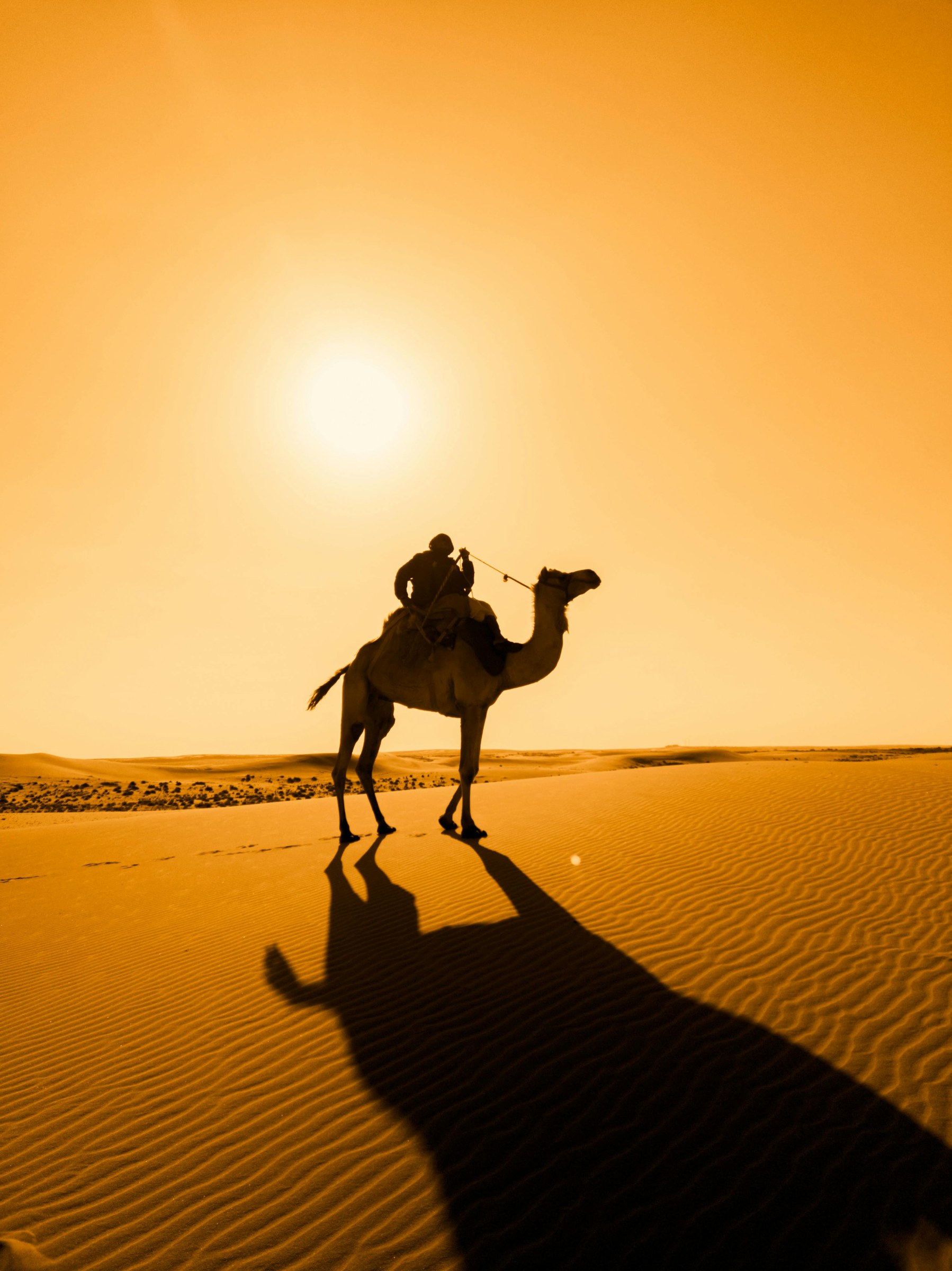
Camel rides are one of the most iconic Sahara activities. Many travellers choose a short camel ride at sunset or sunrise, often combined with arrival at the camp or a scenic viewpoint. It is not necessary to spend hours on a camel to enjoy the experience. For comfort, a shorter ride can be more enjoyable, especially for families or travellers who are not used to riding.
A 4x4 transfer is usually the most practical way to reach desert camps, especially when travelling with luggage or arriving later in the day. Some itineraries combine both: luggage goes by 4x4, while travellers take a short camel ride into the dunes. This offers the atmosphere of the classic desert arrival without compromising comfort.
Sunset and sunrise are the most beautiful times in the Sahara. The dunes change colour quickly, and the light becomes soft and dramatic. A good itinerary should protect these moments. Arriving too late or leaving too early can mean missing the most magical part of the desert experience.
Nights in the desert can be surprisingly cold, especially from late autumn to early spring. Travellers often imagine the Sahara as hot all the time, but temperatures can drop significantly after sunset. Warm layers are essential, even if the day feels sunny and mild.
During the day, sun protection is equally important. The desert sun can be strong, and shade is limited. A hat, sunglasses, sunscreen and light breathable clothing are strongly recommended. Comfortable shoes or sandals that can handle sand are useful, but heavy hiking boots are not usually necessary for a standard camp stay.
The best time to visit the Sahara Desert in Morocco is usually from October to April, when temperatures are more comfortable. Spring and autumn are particularly pleasant. Summer can be extremely hot, especially during the day, and is generally less comfortable for desert activities unless the itinerary is carefully planned.
Packing for the Sahara should be simple but thoughtful. Travellers should bring layers, a warm jacket for the evening, sun protection, a scarf or light cover for wind and sand, comfortable clothing, a small overnight bag, personal medication and a camera or phone with enough battery. For one night in the camp, it is often easier to leave large luggage in the vehicle and take only what is needed.
Food in the desert is usually based on Moroccan cuisine: soups, salads, tagines, couscous, grilled dishes, bread, fruit and mint tea. In higher-end camps, meals can be more refined, sometimes served in a private or semi-private setting. A dinner under the stars can be a highlight, especially when the camp avoids excessive lighting and allows the natural setting to take centre stage.
Evenings in the desert often include music around a fire, stargazing or quiet time by the camp. Some travellers love the atmosphere of live local music, while others prefer silence and privacy. If the tone of the evening matters to you, it is worth mentioning this when planning your trip.
The Sahara can be included in many types of Morocco itineraries. A classic route might connect Marrakech, the High Atlas, Aït Ben Haddou, the Dadès Valley and Merzouga before continuing to Fez. Another option is to begin in Fez, travel south through the Middle Atlas and Ziz Valley, then return towards Marrakech through southern Morocco. The best route depends on your arrival city, departure city and total number of days.
For shorter trips, travellers should be careful. Adding the Sahara to a five- or six-day Morocco itinerary can make the trip feel rushed unless the main purpose of the journey is the desert itself. For a more comfortable luxury itinerary, seven to ten days usually allow better pacing, especially if combining Marrakech, the mountains, kasbah country and the dunes.
The Sahara is also suitable for families, couples, honeymooners and small private groups, as long as the itinerary is adapted. Families may prefer shorter driving days, private tents close together and flexible activities. Couples may want a quieter camp, private dinner and a slower rhythm. Adventure travellers may prefer longer 4x4 routes, sandboarding or more remote areas.
Responsible travel matters in the desert. Travellers should avoid leaving waste, respect local communities, use water thoughtfully and choose operators who work fairly with local drivers, guides and camp staff. The desert may feel empty, but it is a fragile environment and home to people with their own traditions and livelihoods.
One of the most common mistakes is underestimating the travel time. The Sahara should not be squeezed into an itinerary simply because it looks essential on a map. Morocco is larger and more varied than many travellers expect. A good local expert can help decide whether the desert fits your dates or whether another landscape, such as Agafay, the Atlas Mountains or southern kasbah country, would be more suitable.
Agafay, near Marrakech, is sometimes presented as a desert alternative. It is not the Sahara and does not have the same golden dunes, but it can offer a beautiful rocky desert atmosphere, luxury camps and sunset views with much less driving. For travellers with limited time, it can be a practical option. For those dreaming specifically of sand dunes, however, Merzouga or Erg Chigaga are the better choices.
The Sahara is at its best when it is not rushed. The journey there, the changing landscapes, the arrival at the dunes, the quiet evening, the stars, the early morning light — all of these elements need space. When planned well, the desert becomes more than a beautiful backdrop. It becomes a moment of stillness within the larger movement of a Morocco journey.
For refined travellers, the key is to combine atmosphere with logistics. Choose the right region, allow enough time, select a camp that matches your comfort expectations, protect sunrise and sunset, and work with a local expert who understands both the romance and the practical reality of desert travel.
The Sahara Desert is one of Morocco’s most unforgettable experiences, but it rewards preparation. Know what to expect, travel at the right pace and let the desert do what it does best: slow everything down.
Frequently asked questions
Practical answers about this guide and planning your trip.
About the author
Michael writes for MoroccoByInsiders on routes, culture, and practical planning across the kingdom.