Travel Tips
Trekking the Atlas Mountains: A Complete Guide
A complete guide to trekking in Morocco’s Atlas Mountains, from scenic day hikes and Berber village walks to private multi-day treks, Toubkal routes and tailor-made mountain adventures.
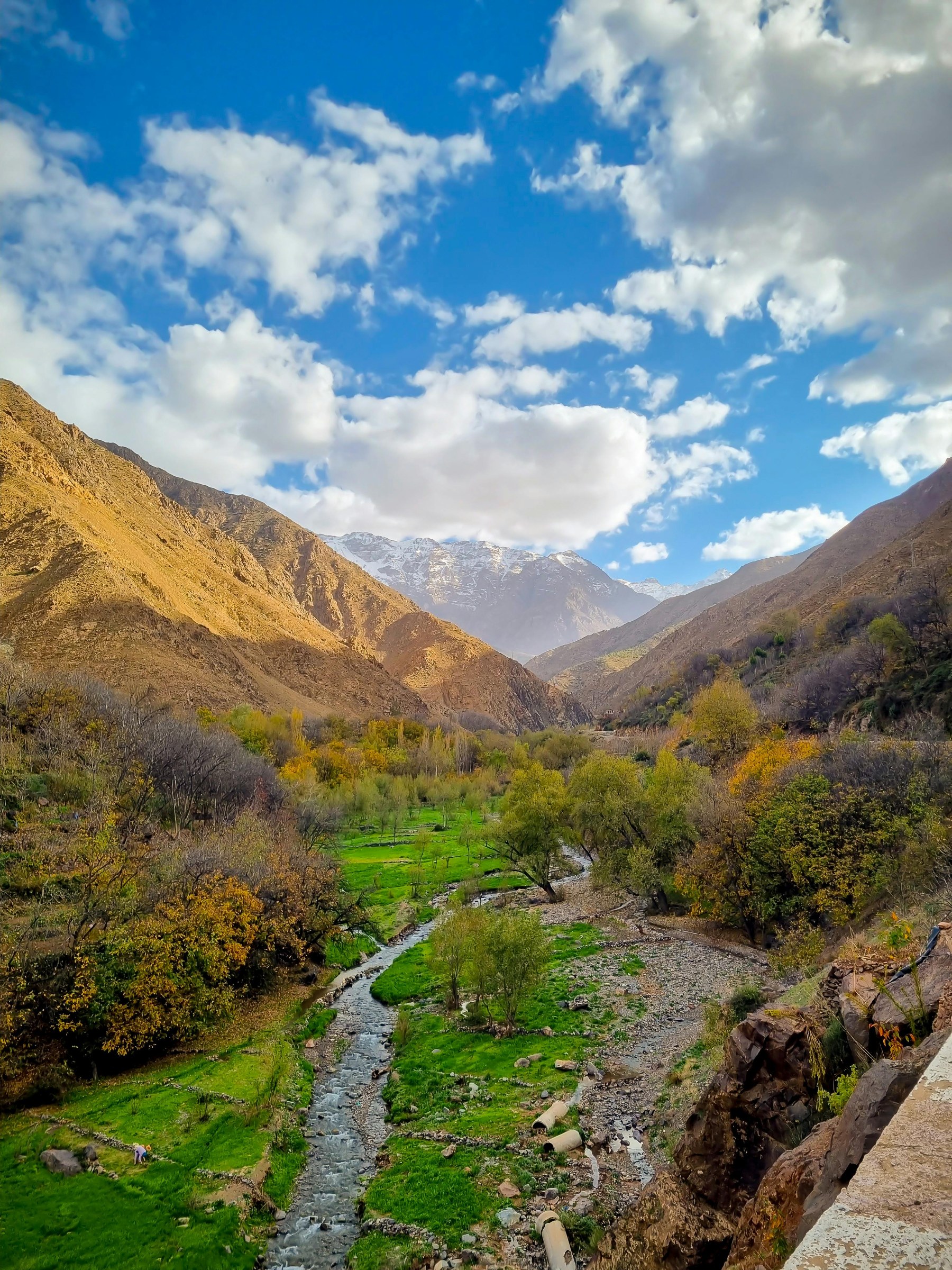
The Atlas Mountains are one of Morocco’s most rewarding regions for travellers who want to combine nature, culture and soft adventure. Rising above Marrakech and stretching across the country, they offer dramatic valleys, high passes, traditional Berber villages, terraced fields, walnut groves and some of North Africa’s most memorable walking routes.
Trekking here is not only about reaching a summit. For many travellers, the real beauty of the Atlas lies in the rhythm of the journey: walking between villages, sharing tea with local hosts, crossing mountain passes, sleeping in simple guesthouses or carefully selected lodges, and discovering a side of Morocco that feels peaceful, authentic and deeply connected to the landscape.
For a refined Morocco itinerary, the Atlas Mountains can be experienced in different ways. Some travellers choose a gentle day hike from Marrakech, while others prefer a private multi-day trek with a licensed mountain guide, mule support and comfortable overnight stops. The best option depends on your fitness level, season, available time and preferred comfort.
Imlil is one of the most popular bases for Atlas trekking. Located around 90 minutes from Marrakech, it offers easy access to mountain trails, village walks and routes towards Mount Toubkal, the highest peak in North Africa. It is a practical choice for travellers who want a first taste of the High Atlas without travelling too far from the city.
Mount Toubkal is the most famous trekking objective in Morocco, but it should not be underestimated. Even though the standard route is not technical in dry conditions, the altitude, weather, snow in colder months and long walking days require proper preparation. A licensed guide is strongly recommended, and for many routes it is essential. Good pacing, appropriate equipment and realistic expectations make the experience far more enjoyable.
For travellers who do not want to summit Toubkal, the Atlas still offers exceptional alternatives. Gentle valley walks, mule-track routes, village-to-village treks, agricultural terraces and scenic passes can provide a more immersive experience than a summit-focused itinerary. These routes are especially suitable for families, mature travellers, private groups or anyone who wants a softer adventure with cultural depth.
The best time for trekking in the Atlas Mountains is usually spring and autumn. From March to May, valleys are often green, temperatures are pleasant and mountain views can be beautiful. From September to November, conditions are also excellent, with clear light and comfortable walking temperatures. Summer can work well at higher altitudes, although lower valleys may feel warm during the day. Winter trekking is possible, but it requires more preparation, especially on high routes where snow and ice may be present.
Packing carefully is important, even for moderate hikes. Conditions can change quickly in the mountains. Travellers should bring comfortable walking shoes, breathable layers, sun protection, a hat, sunglasses, a refillable water bottle and a light jacket. Cotton is not ideal for trekking, as it stays damp and can become uncomfortable in changing temperatures. For multi-day treks, your local expert or guide should provide a clear packing list based on the route and season.
A private guide can greatly improve the experience. Beyond navigation, a good local guide helps manage pace, explains village life, supports cultural understanding and adapts the day according to weather, energy levels and group ability. In remote areas, this local knowledge is not a luxury; it is part of travelling responsibly and safely.
Accommodation in the Atlas varies widely. Some treks use simple mountain gîtes or refuges, while others can include more comfortable guesthouses, boutique lodges or ecolodges with strong local character. Luxury in the mountains is different from luxury in the city. It is often about warmth, views, privacy, good food, thoughtful service and a genuine sense of place rather than polished formality.
Food is also part of the Atlas experience. Meals are often simple, seasonal and generous: homemade bread, olive oil, honey, soups, tagines, couscous, fresh vegetables and mint tea. A lunch in a mountain village or at a local guesthouse can become one of the most memorable moments of a Morocco journey, especially when it feels personal rather than staged.
For travellers planning a broader Morocco itinerary, the Atlas Mountains combine beautifully with Marrakech, the Sahara Desert, Ouarzazate, Aït Ben Haddou or Essaouira. A well-paced route might begin with Marrakech, continue into the mountains for trekking and village immersion, then move south towards kasbah landscapes or west towards the Atlantic coast. The key is to avoid rushing. Mountain roads take time, and the best Atlas experiences need space in the itinerary.
A one-day Atlas experience is ideal for travellers with limited time. It can include a private transfer from Marrakech, a guided walk through villages, lunch with local hosts and scenic viewpoints. This gives a meaningful introduction without requiring a major trekking commitment.
A two- or three-day Atlas itinerary allows for a deeper experience. Travellers can walk between villages, stay overnight in a guesthouse or lodge, and enjoy a slower rhythm. This is often the best balance for those who want authenticity, comfort and adventure without the intensity of a full expedition.
Longer treks of four days or more are best for travellers who want a true mountain journey. These routes can cross valleys and passes, include remote villages and create a stronger sense of immersion. They require better fitness and more careful planning, but they can be among the most rewarding travel experiences in Morocco.
For high-end travellers, the best Atlas trekking itineraries are not necessarily the hardest. A well-designed private trek should match the traveller’s pace, interests and comfort level. Some guests want a challenging summit. Others want photography, village encounters, botany, local food, wellness, or simply quiet time in nature. A trusted local expert can help shape the right route rather than forcing every traveller into the same standard trek.
Trekking in the Atlas Mountains is also an opportunity to travel more responsibly. Choosing local guides, staying in community-based accommodations, respecting village customs and avoiding over-commercialised experiences helps ensure that tourism benefits the people who live in the mountains. Travellers should ask before taking photos of people, dress respectfully in villages and follow their guide’s advice on local etiquette.
The Atlas Mountains reward travellers who come prepared but open-minded. Trails may be simple, but the experience can feel profound: the silence of the mountains, the hospitality of the villages, the changing light on the valleys and the feeling of moving slowly through a landscape shaped by generations.
Whether you are planning a gentle day hike, a private Toubkal trek or a tailor-made mountain escape, the Atlas Mountains offer one of Morocco’s most meaningful travel experiences. With the right guide, the right season and a realistic itinerary, trekking here can become much more than an adventure activity — it can be the emotional centre of a journey through Morocco.
Frequently asked questions
Practical answers about this guide and planning your trip.
About the author
James Anderson writes for MoroccoByInsiders on routes, culture, and practical planning across the kingdom.