Discover the flavors, spices, and culinary traditions that make Moroccan food so special.
Moroccan cuisine is one of the most memorable parts of travelling through the country. It is generous, fragrant, colourful and deeply connected to everyday life. More than a list of dishes, it reflects Morocco’s history, geography and culture — from Amazigh mountain traditions and Arab-Andalusian influences to coastal seafood, desert hospitality and centuries-old market rituals.
For travellers seeking a high-end, tailor-made journey, food can become one of the most meaningful ways to experience Morocco. A private cooking class in Marrakech, a market walk with a local host in Fez, a slow lunch in the Atlas Mountains or a candlelit dinner in the desert can reveal far more than a standard restaurant meal.
This guide introduces the essential dishes, regional specialities and culinary experiences to consider when planning a refined Morocco itinerary.
- Why Moroccan cuisine is so special
Moroccan food is built around balance. Sweet and savoury flavours often meet in the same dish. Spices are present but rarely aggressive. Meals are usually slow, generous and made to be shared.
The country’s cuisine is shaped by several influences: Amazigh traditions from the mountains and desert, Arab and Andalusian heritage in the imperial cities, Mediterranean products from the north, Atlantic seafood along the coast, and Saharan hospitality in the south.
For travellers, this means that each region offers a different culinary identity. Marrakech is known for its lively food scene and refined riad dining, Fez for its old culinary traditions, Essaouira for fresh seafood, the Atlas Mountains for simple Berber cooking, and the Sahara for slow meals served under open skies.
- Essential Moroccan dishes to try Tagine
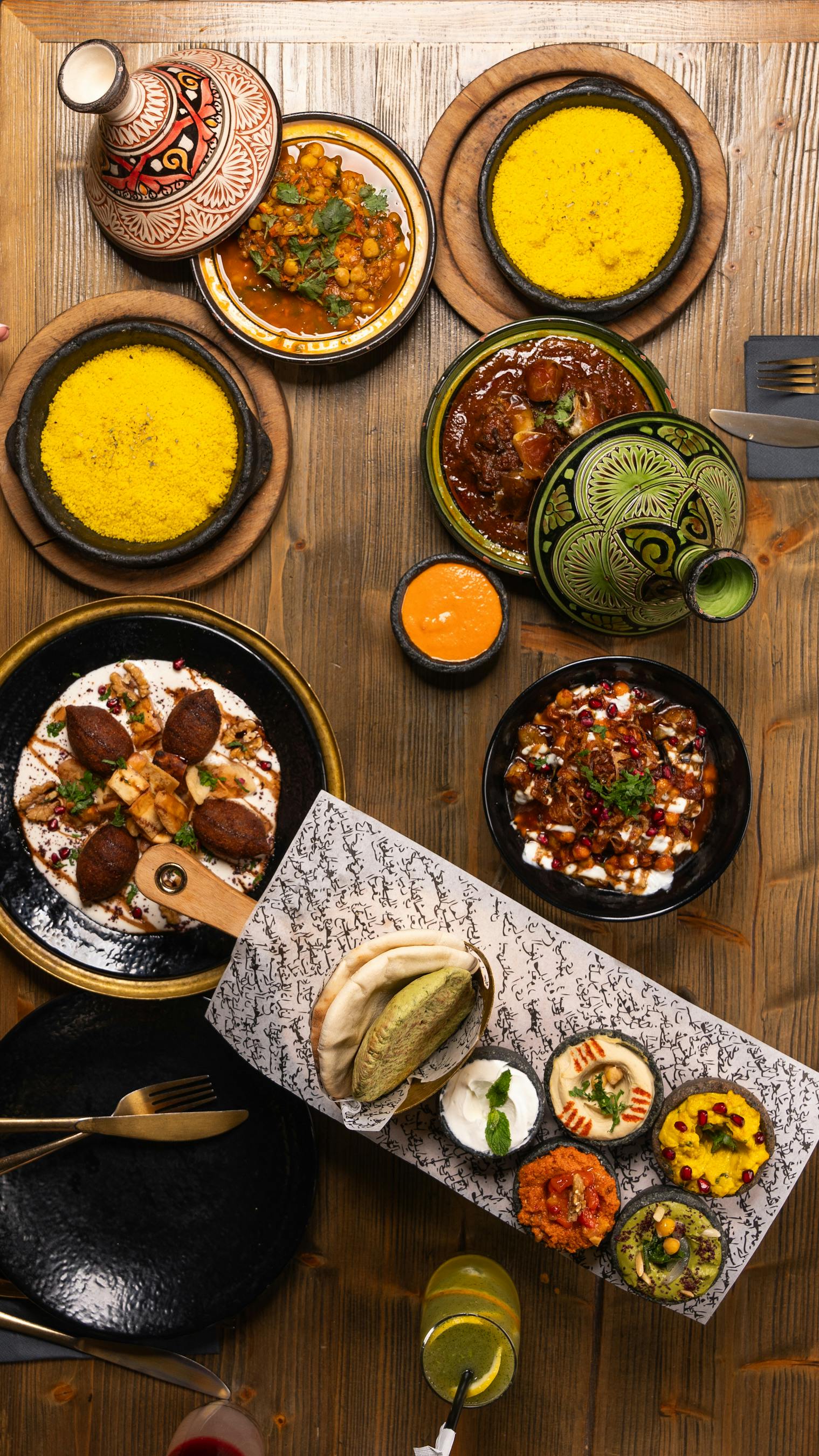
The tagine is one of Morocco’s most iconic dishes. It takes its name from the clay cooking vessel used to prepare it. Slow-cooked and aromatic, it can be made with chicken, lamb, beef, fish or vegetables.
Popular versions include chicken with preserved lemon and olives, lamb with prunes and almonds, kefta with eggs, and vegetable tagine with seasonal produce. The best tagines are not rushed; they are cooked slowly so that the flavours become deep and balanced.
Couscous
Couscous is traditionally served on Fridays, often as a family meal after prayer. It is made with steamed semolina grains, vegetables, chickpeas and meat or chicken, although vegetarian versions are also common.
For travellers, couscous is best experienced in a home, guesthouse or local setting rather than as a quick tourist dish. It is a meal connected to family, rhythm and hospitality.
Pastilla
Pastilla is one of Morocco’s most refined dishes. Traditionally made with thin pastry, savoury filling, almonds, cinnamon and a light dusting of sugar, it reflects the country’s love for delicate contrasts.
The classic version is often made with poultry, while seafood pastilla is especially popular in coastal cities. It is a beautiful dish to include in a special dinner or welcome meal.
Harira
Harira is a rich Moroccan soup made with tomatoes, lentils, chickpeas, herbs and spices. It is especially associated with Ramadan, when it is often served to break the fast.
Outside Ramadan, it remains a comforting dish found in many local restaurants and homes. It is simple, nourishing and deeply rooted in Moroccan daily life.
Moroccan salads
Moroccan meals often begin with a selection of cooked and fresh salads. These may include zaalouk made with eggplant and tomato, taktouka with peppers, carrot salad with cumin, beetroot salad, olives and seasonal vegetables.
For travellers who enjoy plant-based cuisine, Moroccan salads are an excellent introduction to the country’s use of spices, herbs and local produce.
- Moroccan spices and flavours
Moroccan cuisine is known for its elegant use of spices. The most common include cumin, cinnamon, ginger, turmeric, paprika, saffron, coriander, aniseed and black pepper.
One of the most famous spice blends is ras el hanout, which can include many different spices depending on the maker. It is often used in tagines, couscous and slow-cooked dishes.
Preserved lemons, olives, orange blossom water, almonds, dates, honey and fresh herbs also play an important role. These ingredients give Moroccan food its distinctive balance between warmth, freshness and subtle sweetness.
- Regional food experiences in Morocco Marrakech
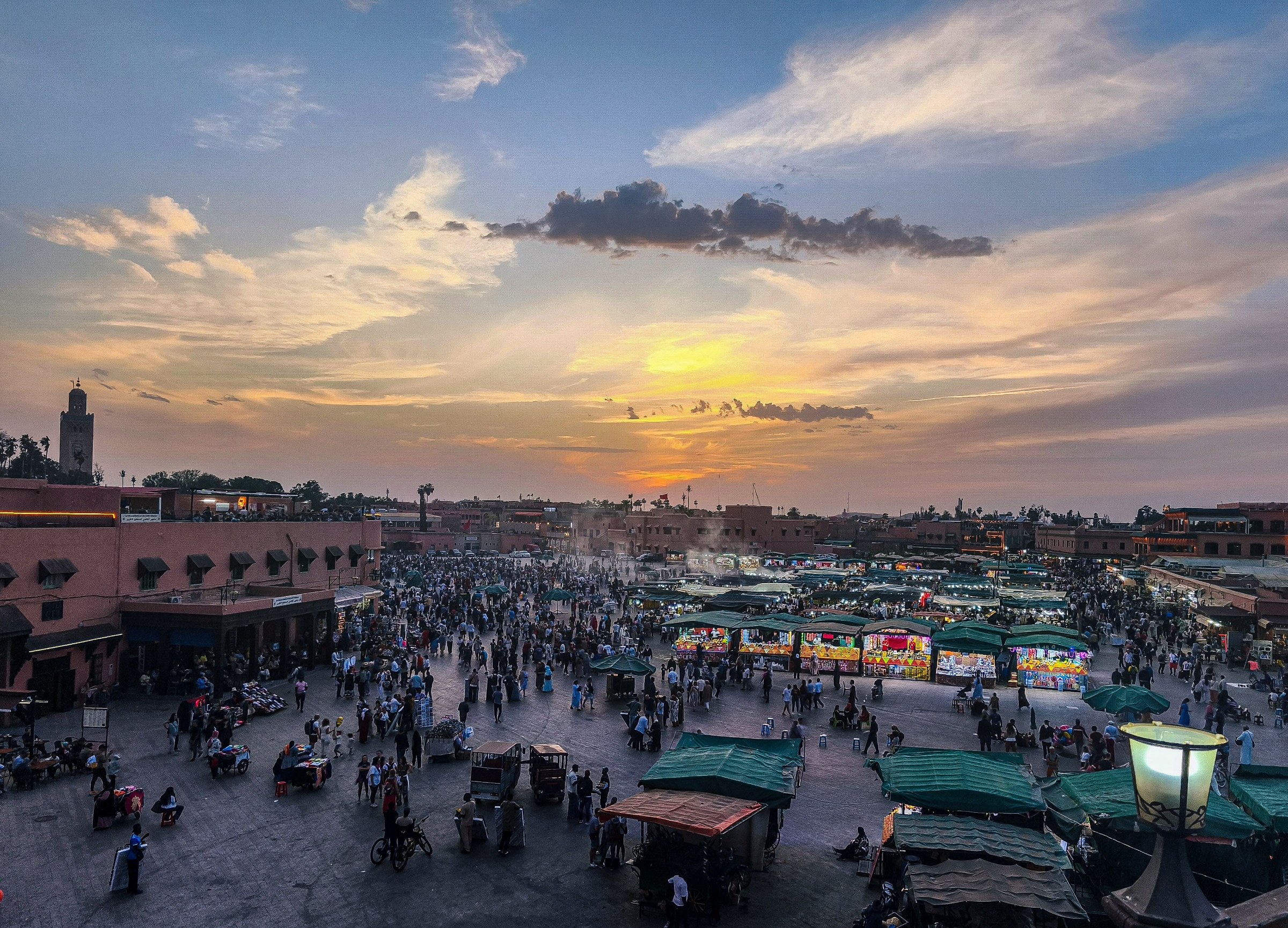
Marrakech is ideal for travellers who want a mix of refined dining, rooftop restaurants, traditional riads, medina food tours and private cooking classes. The city offers everything from street food to elegant tasting menus inspired by Moroccan classics.
A high-end culinary experience in Marrakech might include a guided market visit, a hands-on cooking class, lunch in a private riad, or dinner in a beautifully restored palace-style setting.
Fez
Fez is one of Morocco’s great culinary capitals. Its medina, traditions and old family recipes make it a fascinating place for food-focused travellers.
A culinary experience in Fez can include visiting food souks, discovering traditional bakeries, learning about preserved ingredients, or enjoying a meal in a historic riad. The city is especially interesting for travellers who want depth, heritage and authenticity.
Essaouira and the Atlantic coast
Essaouira is known for seafood, relaxed coastal dining and Atlantic flavours. Fresh fish, grilled sardines, seafood pastilla and simple seaside meals are part of the experience.
For a refined itinerary, Essaouira works beautifully as a softer coastal contrast after Marrakech or the Atlas Mountains.
Atlas Mountains
In the Atlas Mountains, food is often simple, seasonal and generous. Expect homemade bread, olive oil, honey, vegetables, soups, tagines and herbal teas.
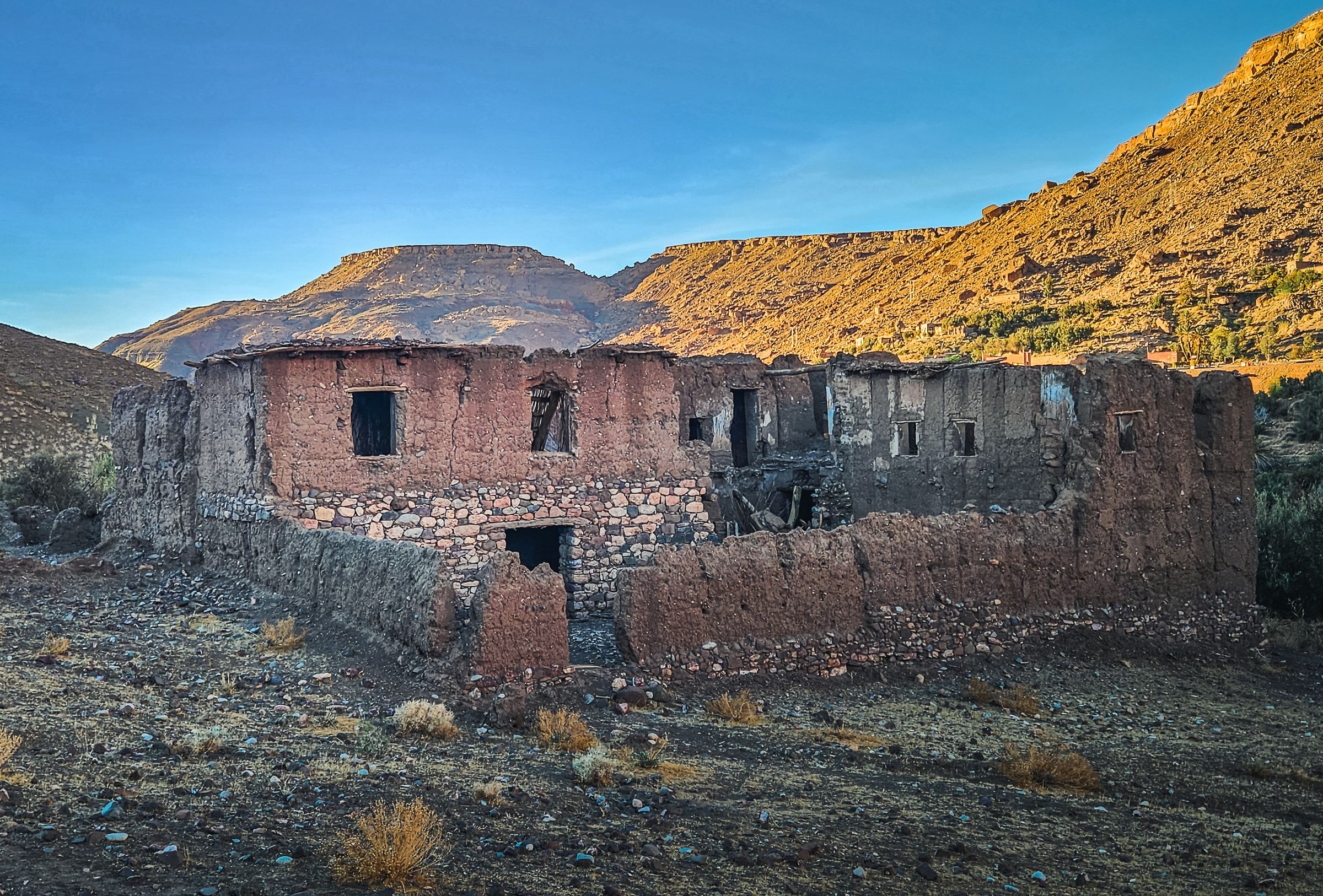
A meal in a mountain village or ecolodge can be one of the most memorable parts of a Morocco journey, especially when combined with a gentle hike, a local family visit or a stay in a peaceful mountain retreat.
Sahara Desert
In the Sahara, the culinary experience is closely tied to atmosphere. Dinner under the stars, tea by the dunes, bread baked in traditional ways and slow evenings around the camp create a strong sense of place.
For luxury travellers, the desert is not only about the landscape. It is also about silence, service, privacy and the emotional power of a meal in a remote setting.
- Moroccan tea culture
Mint tea is one of Morocco’s most important hospitality rituals. It is served in homes, shops, riads, desert camps and mountain guesthouses. More than a drink, it is a gesture of welcome.
The preparation is often theatrical, with tea poured from a height into small glasses. It is usually sweet, aromatic and shared slowly. For travellers, accepting tea is often the beginning of a conversation, not simply a refreshment break.
- Best culinary experiences for luxury travellers
For travellers looking for a more curated journey, Moroccan cuisine can be integrated into the itinerary in several elegant ways:
Private cooking class in Marrakech or Fez Guided food walk through a medina Rooftop dinner overlooking the old city Lunch with a local family in the Atlas Mountains Seafood lunch in Essaouira Spice market visit with a local guide Private riad dinner Desert dinner under the stars Farm-to-table lunch in the countryside Tea ceremony with a local host
The best experiences are not necessarily the most formal. Often, the most memorable moments come from access: being welcomed into the right place, meeting the right host, or enjoying a meal in a setting that feels intimate and personal.
- What to know before planning a food-focused Morocco trip
Moroccan meals are often generous, so it is better not to overfill each travel day with too many tastings. Good culinary experiences need time.
Travellers with dietary restrictions should inform their local expert in advance. Vegetarian food is widely possible, but vegan, gluten-free or allergy-specific requests should be planned carefully, especially outside major cities.
For high-end travellers, the key is to balance restaurant meals with more personal experiences. A luxury trip should not only include beautiful dining rooms, but also local markets, family-style meals, regional products and meaningful encounters.
- Suggested culinary itinerary ideas Marrakech, Atlas Mountains and Essaouira
This combination is ideal for travellers who want variety without excessive driving. It can include a Marrakech cooking class, a mountain lunch with local hosts and a seafood experience on the Atlantic coast.
Fez, Chefchaouen and Tangier
This route is well suited to travellers interested in heritage, medinas and northern Morocco. Fez offers deep culinary traditions, while Tangier adds Mediterranean influences and a more cosmopolitan atmosphere.
Marrakech, Ouarzazate and the Sahara
This itinerary works well for travellers who want dramatic landscapes and atmospheric dining. It can include spices and markets in Marrakech, kasbah-style meals in the south and a private desert dinner under the stars.
Frequently asked questions
Practical answers about this guide and planning your trip.
About the author
Sarah Mitchell writes for MoroccoByInsiders on routes, culture, and practical planning across the kingdom.