A seasonal guide to the best time to visit Morocco, with practical advice on weather, regions, desert travel, coastal escapes, Atlas trekking and tailor-made luxury itineraries.
Morocco can be visited throughout the year, but the best time to travel depends on the regions you want to explore and the style of journey you are planning. The country is diverse: Marrakech can be warm and energetic, the Atlas Mountains can be cool and dramatic, the Sahara Desert has strong seasonal contrasts, and the Atlantic coast often feels milder than inland cities.
For travellers planning a refined, tailor-made Morocco itinerary, timing matters. The right season can make a journey feel effortless, while the wrong pace or region at the wrong time can make days feel too hot, too rushed or less comfortable than expected.
In general, spring and autumn are considered the best seasons to visit Morocco. From March to May and from September to November, temperatures are usually more comfortable for cultural visits, desert travel, mountain walks and longer road journeys. These months work especially well for travellers who want to combine several regions in one itinerary.
Spring is one of the most beautiful times to visit Morocco. The weather is generally pleasant, the light is soft, valleys can be green, and gardens in cities such as Marrakech feel especially inviting. It is a strong season for combining Marrakech, the Atlas Mountains, Fez, Chefchaouen, Essaouira and the Sahara Desert.
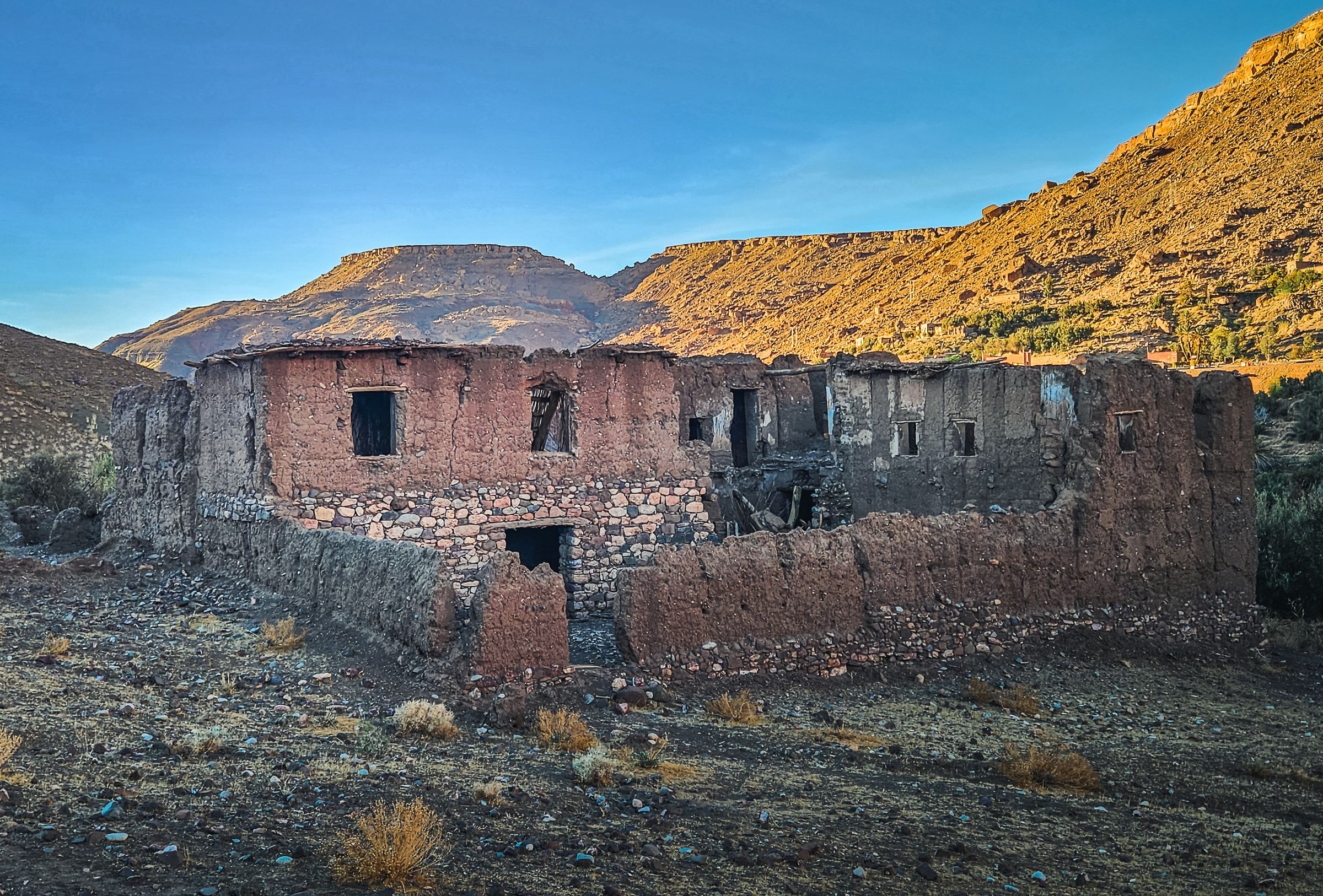
For travellers interested in the Atlas Mountains, spring can be particularly rewarding. Lower valleys are often fresh and lively, while higher routes may still have snow depending on altitude and timing. This makes spring ideal for scenic walks, village visits and soft adventure, although more ambitious treks should be planned carefully with local advice.
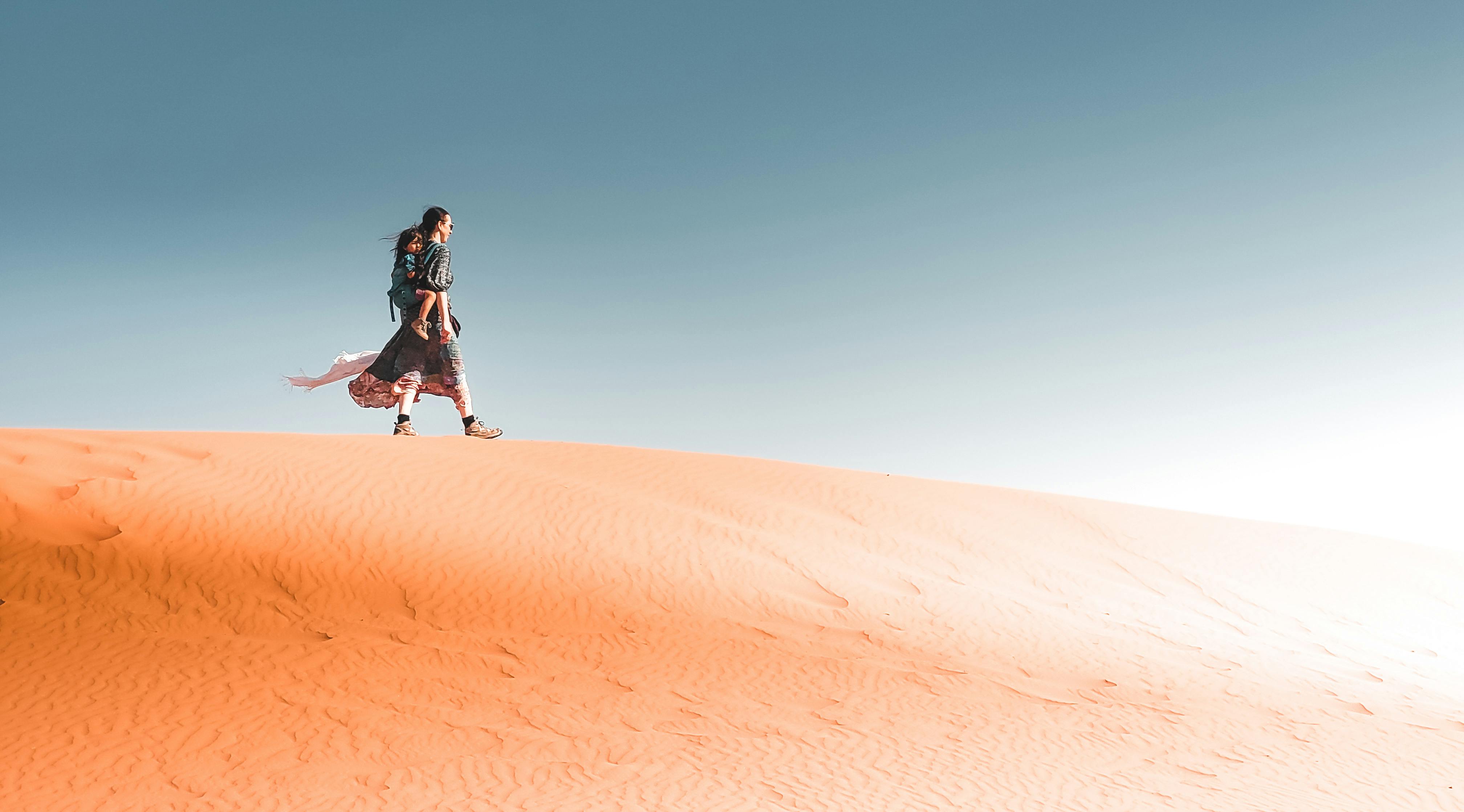
Spring is also a good time for the Sahara Desert. Daytime temperatures are usually more manageable than in summer, and evenings can be pleasant, although nights may still be cool early in the season. A desert camp experience in spring can include sunset camel rides, private dinners, stargazing and 4x4 excursions without the extreme heat of the summer months.
Autumn is another excellent season for Morocco. After the heat of summer, temperatures become more comfortable again, especially from late September onwards. Autumn is ideal for imperial city tours, desert journeys, cultural itineraries, food experiences and private guided travel.
For many high-end travellers, October and November are among the best months for a well-balanced Morocco journey. Marrakech is lively but more comfortable, the Sahara is easier to enjoy, the Atlas Mountains are still beautiful, and the coast remains pleasant. This season is especially well suited to tailor-made itineraries combining cities, mountains and desert.
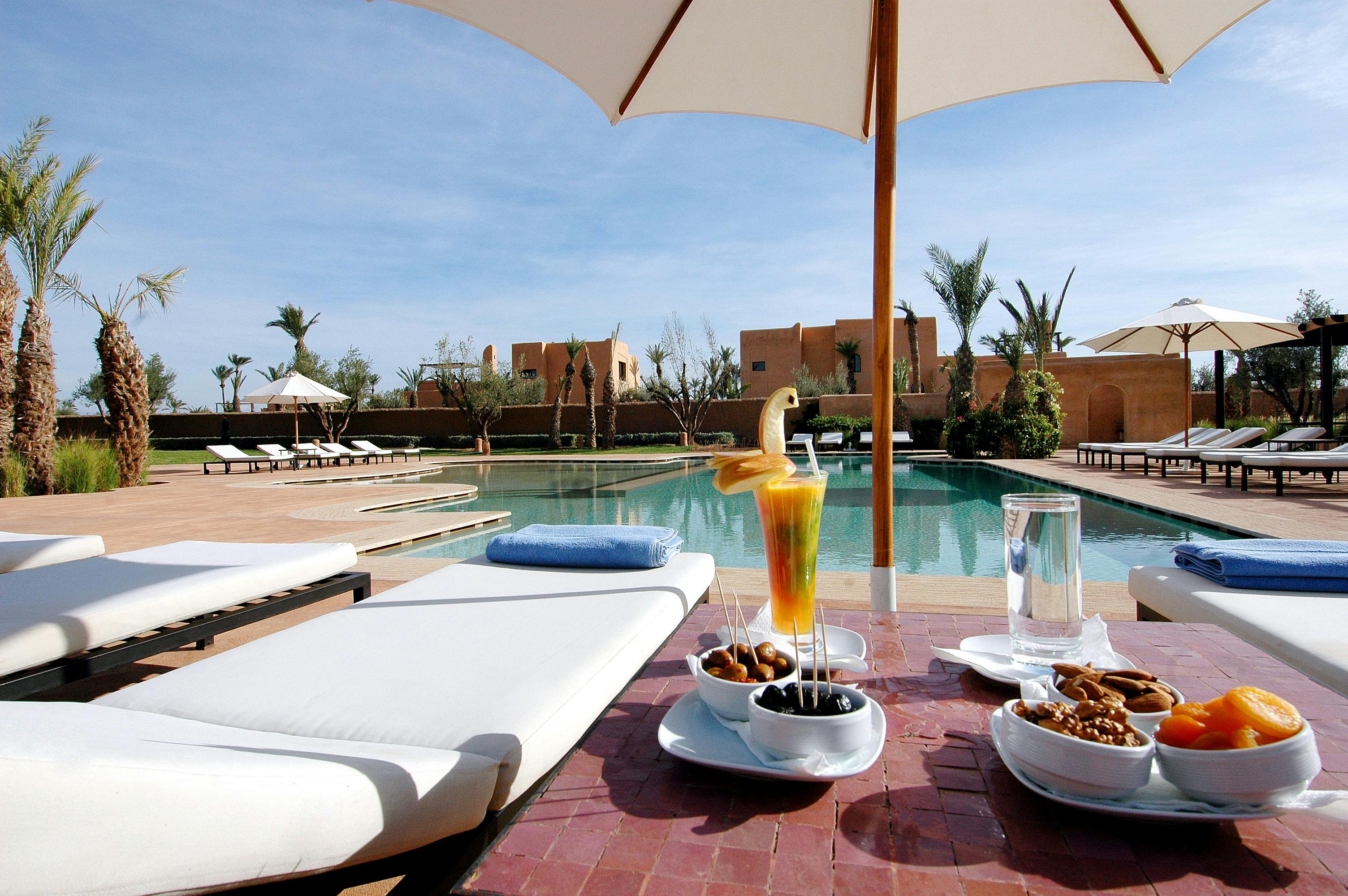
Summer in Morocco requires more careful planning. Inland cities such as Marrakech and Fez can become very hot, especially in July and August. Cultural visits are still possible, but they should be planned early in the morning or later in the day, with time for rest, pools, shaded riads and air-conditioned transfers.
That said, summer should not be dismissed completely. The Atlantic coast, including Essaouira, Taghazout, Agadir and other seaside areas, can be much more comfortable thanks to ocean breezes. For travellers who want a slower coastal escape, summer can work well, especially when combined with boutique hotels, beach walks, seafood, hammams and relaxed evenings.
The Atlas Mountains can also be a good summer option, especially at higher altitudes. Mountain villages, ecolodges and scenic valleys offer a cooler alternative to the heat of Marrakech. This makes the Atlas useful for families, active travellers and anyone looking for nature, fresh air and a slower rhythm.
The Sahara Desert in summer is more challenging. Daytime heat can be extreme, and standard desert activities become less comfortable. If the Sahara is a priority, spring, autumn or winter are generally better choices. In summer, travellers with limited time may prefer Agafay near Marrakech for a desert-style atmosphere without the long drive and intense heat of the far south.
Winter in Morocco can be very rewarding, especially for travellers who prefer fewer crowds and a quieter atmosphere. Days in Marrakech, Fez and other cities can be pleasant, although mornings and evenings may be cool. It is a good season for cultural visits, riad stays, hammams, cooking classes and slower city itineraries.
The Sahara Desert can be beautiful in winter, with clear light and peaceful conditions. However, nights in desert camps can be cold, sometimes very cold. Travellers should choose comfortable camps, confirm heating or bedding arrangements and pack warm layers. The reward is a quieter, more atmospheric desert experience.
The Atlas Mountains in winter require more caution. Lower valleys can be accessible and scenic, but higher routes may involve snow, ice or difficult conditions. Winter trekking should be planned with experienced local guides and appropriate equipment. For travellers seeking scenery rather than demanding hikes, the mountains can still be included with the right route.
The coast in winter is calmer and less crowded. Essaouira remains atmospheric, with ocean views, seafood, medina walks and boutique riads. Swimming may not be the focus, but the coastal mood can be beautiful for travellers who enjoy slow travel, photography and a more local feel.
Ramadan is another important factor when planning a trip to Morocco. The dates change each year according to the lunar calendar. Travelling during Ramadan is possible and can be culturally interesting, but some restaurants, cafés and shops may have adjusted hours during the day. Evenings can feel especially lively after the breaking of the fast. A good local expert can adapt the itinerary so the trip remains smooth and respectful.
Public holidays, festivals and peak travel periods can also influence availability and prices. Spring holidays, Easter, end-of-year travel and popular autumn weeks may lead to stronger demand for the best riads, desert camps and guides. For high-end itineraries, early planning is recommended, especially when requesting specific boutique properties or private experiences.
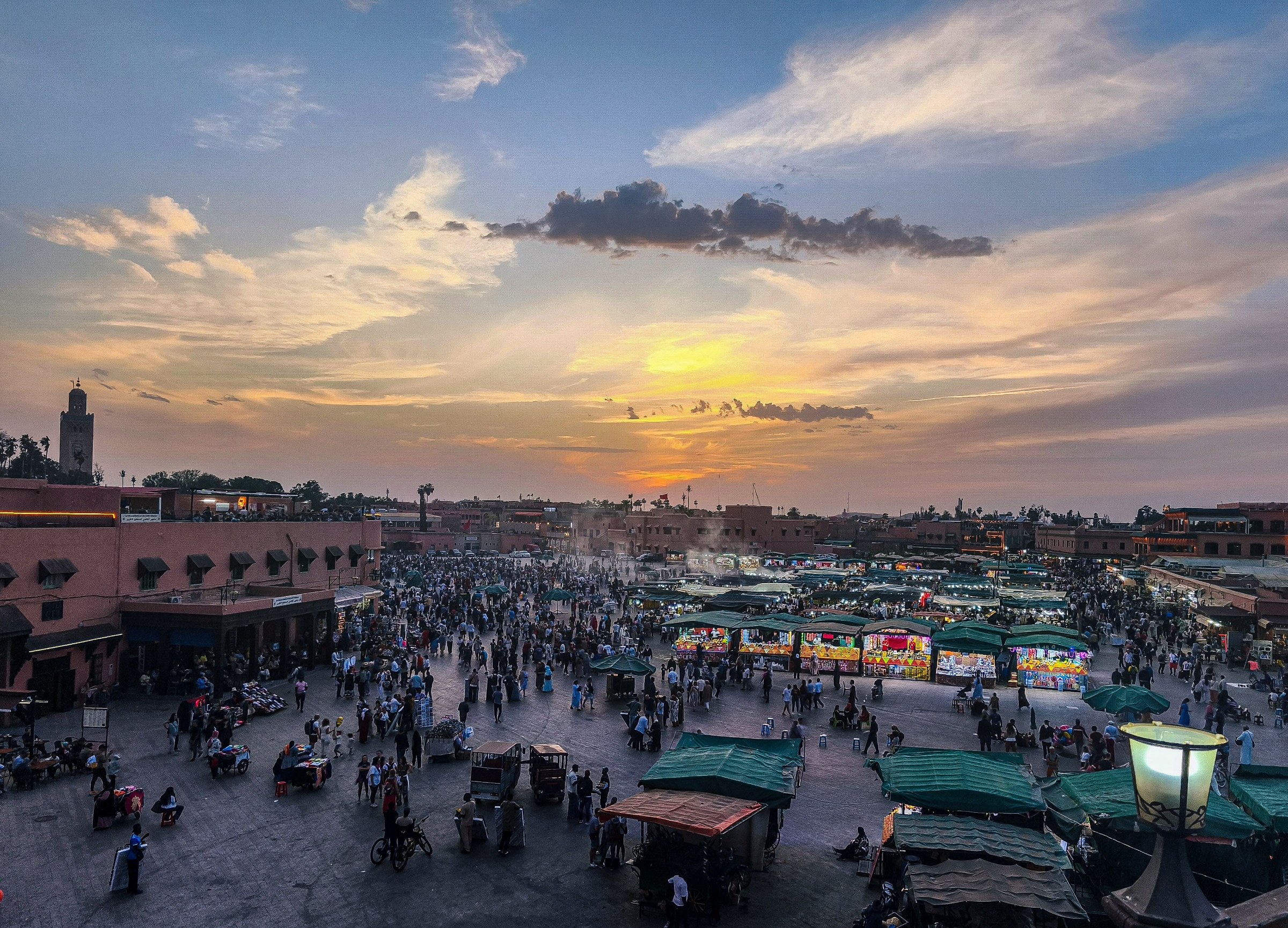
For travellers focused on Marrakech, the best months are often March, April, May, October and November. These periods allow for comfortable medina walks, garden visits, rooftop dining, hammams and day trips. Summer can be hot, but a carefully planned luxury stay with pool time and slower pacing can still work.
For Fez, spring and autumn are also ideal. The medina is dense and best explored when temperatures are moderate. Winter can be excellent for travellers who enjoy culture and quieter streets, while summer requires more careful timing and rest breaks.
For the Sahara, October to April is usually the most comfortable period. Spring and autumn offer the best balance, while winter brings colder nights but beautiful light and fewer crowds. Summer is generally the least comfortable season for a classic desert camp experience.
For the Atlas Mountains, the best time depends on altitude and activity. Spring and autumn are excellent for walking and village experiences. Summer works well in higher valleys. Winter can be beautiful but requires caution on higher routes.
For Essaouira and the Atlantic coast, the season is more flexible. Spring, summer and autumn are all appealing in different ways. Summer is cooler than inland cities, while spring and autumn offer pleasant conditions for medina walks, seafood lunches and coastal exploration.
A well-designed Morocco itinerary should match the season rather than fight against it. In spring and autumn, travellers can confidently combine cities, mountains, desert and coast. In summer, the itinerary should favour the coast, mountains and slower pacing. In winter, cultural cities, the desert and atmospheric riad stays can work beautifully with warm layers and thoughtful planning.
The best time to visit Morocco is therefore not a single answer. It depends on whether you want desert silence, mountain walks, medina culture, beach time, food experiences, photography, festivals or family-friendly travel. This is where local expertise matters. A trusted Moroccan travel expert can design the route around the season, not just around the map.
For luxury travellers, seasonality affects more than temperature. It influences hotel availability, guide quality, crowd levels, driving comfort, meal timing, light, landscape colours and the overall rhythm of the journey. Choosing the right month is one of the most important decisions in creating a smooth and memorable Morocco trip.
As a general rule, choose spring or autumn for the most balanced first trip to Morocco. Choose winter for quieter cultural travel and atmospheric desert stays. Choose summer for the coast, higher mountains and relaxed luxury properties with pools. Then build the itinerary around the season, with enough time to enjoy each region properly.
Morocco is not a destination to rush. When the season, pace and route are aligned, the country reveals its full range: imperial cities, mountain valleys, desert dunes, Atlantic light, medina life and warm local hospitality.
Frequently asked questions
Practical answers about this guide and planning your trip.
About the author
Tifawt writes for MoroccoByInsiders on routes, culture, and practical planning across the kingdom.