Travel Tips
Is Morocco Safe for American Travelers? 2026 Safety Guide
Is Morocco safe for American travelers?
Yes, Morocco is generally safe for American travelers, especially when visiting well-known destinations such as Marrakech, Fes, Chefchaouen, Essaouira, the Atlas Mountains, Rabat, Casablanca, and the Sahara Desert with reliable local support.
That said, Morocco is not a destination where travelers should be careless. Like in many popular countries, visitors should stay aware of their surroundings, protect their belongings, avoid unofficial guides, and follow local customs. The most common issues travelers face are not major safety threats, but petty theft, tourist scams, overcharging, and confusion in busy medinas.
For most American visitors, Morocco feels welcoming, fascinating, and safe when the trip is well planned.
Current Morocco travel advisory for Americans
The U.S. Department of State currently advises travelers to exercise increased caution in Morocco. This does not mean Americans should avoid Morocco. It means travelers should remain alert, especially in crowded areas, tourist sites, transportation hubs, markets, and public spaces.
Morocco remains one of North Africa’s most visited countries, with a strong tourism infrastructure, professional guides, reliable hotels, and well-established routes for international travelers. Major tourist areas are used to welcoming visitors from the United States, Canada, the United Kingdom, Europe, and Australia.
The key is to travel with awareness, not fear.
How safe are Morocco’s main tourist destinations? Marrakech
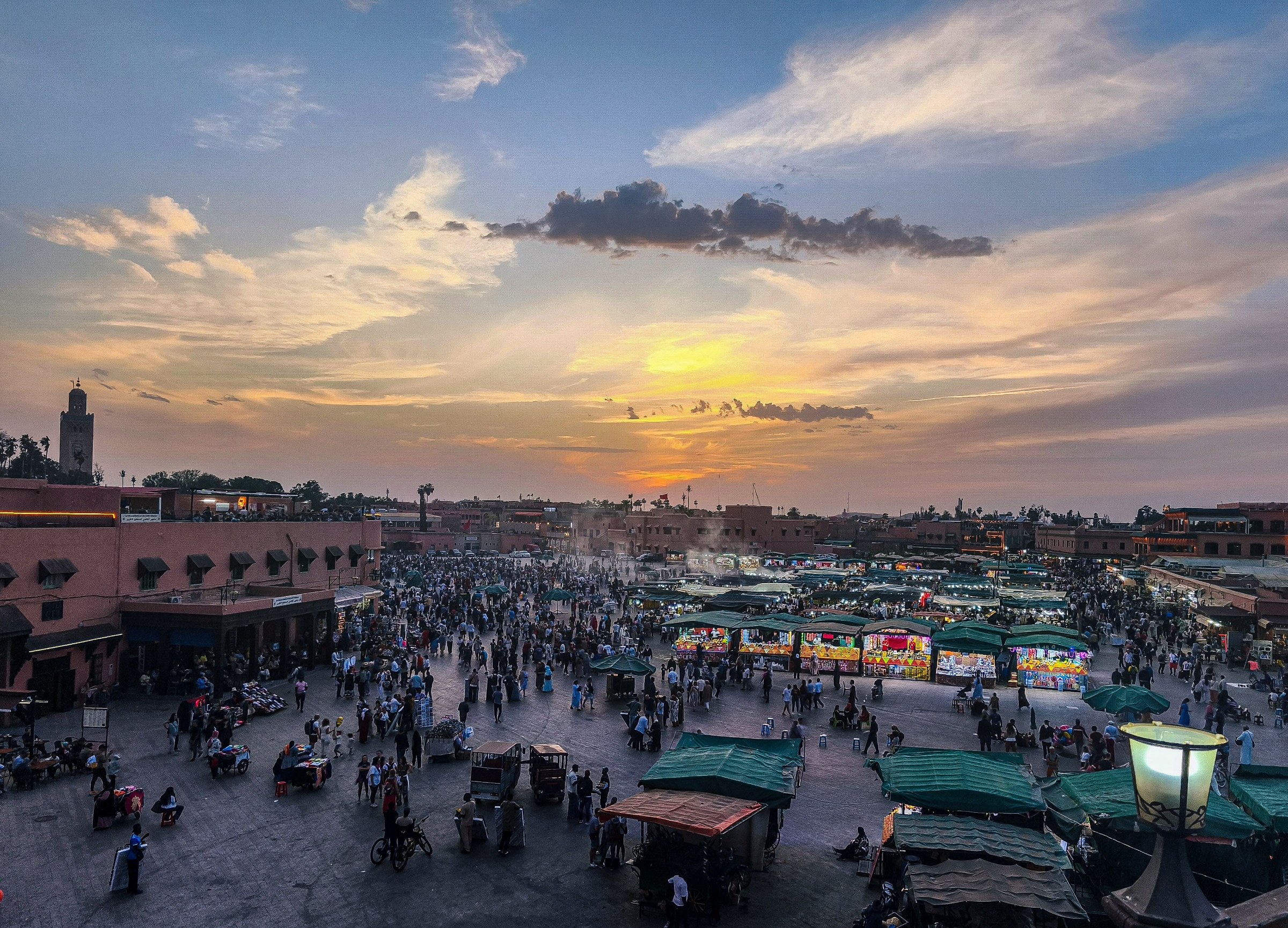
Marrakech is one of Morocco’s most popular destinations and is generally safe for American tourists. The medina, Jemaa el-Fna square, souks, gardens, riads, restaurants, and cultural sites are busy and well visited.
The main issues in Marrakech are persistent sellers, unofficial guides, overpriced taxis, and pickpocketing in crowded areas. Travelers should avoid walking alone in quiet alleys late at night and should use trusted taxis, private transfers, or transport arranged by their hotel or travel company.
Fes
Fes is safe for visitors, but its ancient medina can feel intense for first-time travelers. The streets are narrow, maze-like, and very active. A licensed local guide is highly recommended, not because the city is dangerous, but because it makes the experience smoother, more meaningful, and less stressful.
Travelers should be cautious with unofficial guides who approach them in the street.
Chefchaouen
Chefchaouen is considered one of the calmest and most photogenic cities in Morocco. It is generally safe and relaxed, especially for couples, families, and solo travelers. As in any tourist town, visitors should still keep an eye on personal belongings and avoid isolated areas late at night.
Essaouira
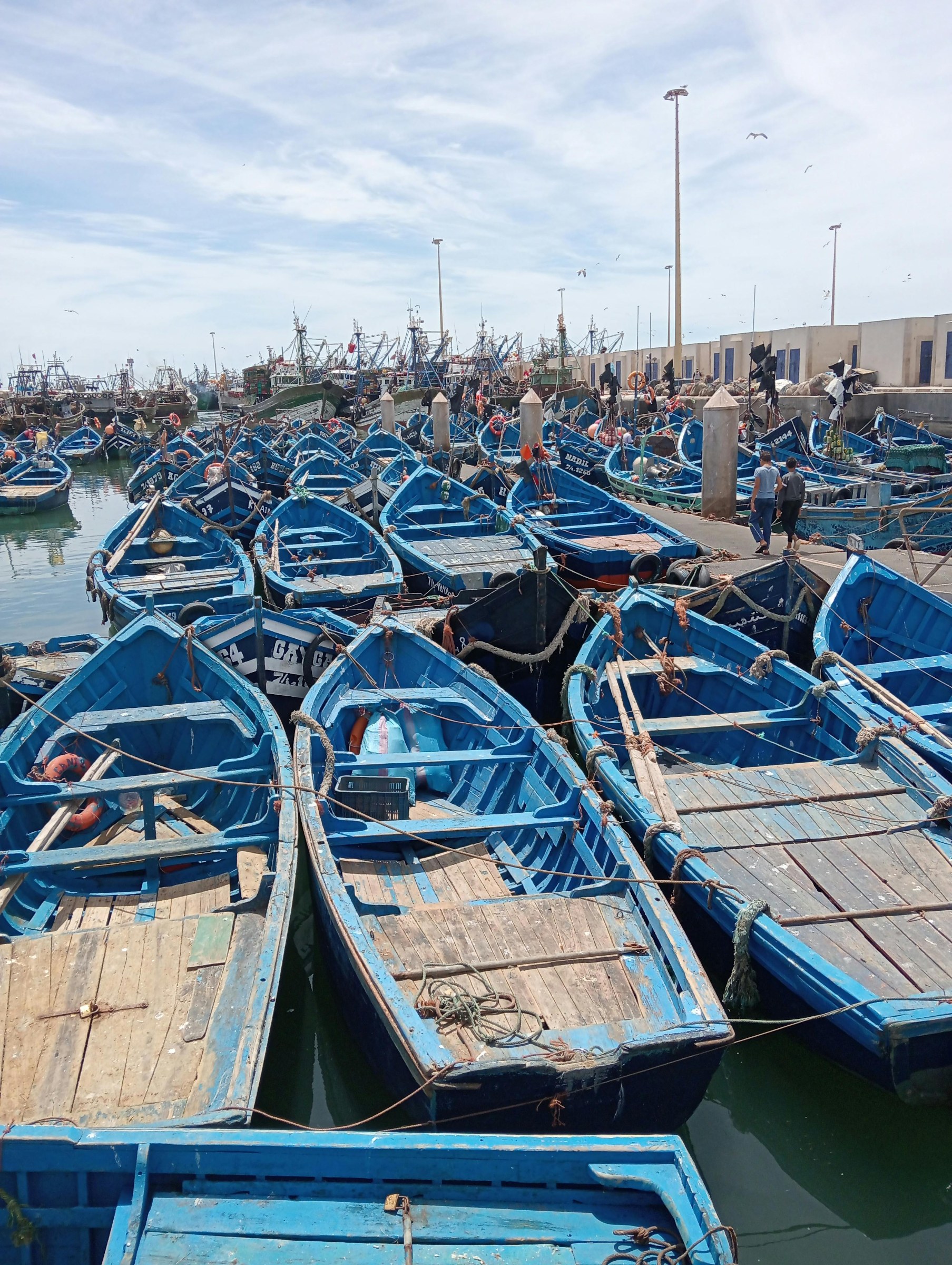
Essaouira is a laid-back coastal city and is usually very comfortable for American travelers. It is popular for food, art, music, surfing, and beach walks. The atmosphere is less intense than Marrakech or Fes.
Petty theft can still happen on beaches or in crowded streets, so valuables should not be left unattended.
The Sahara Desert
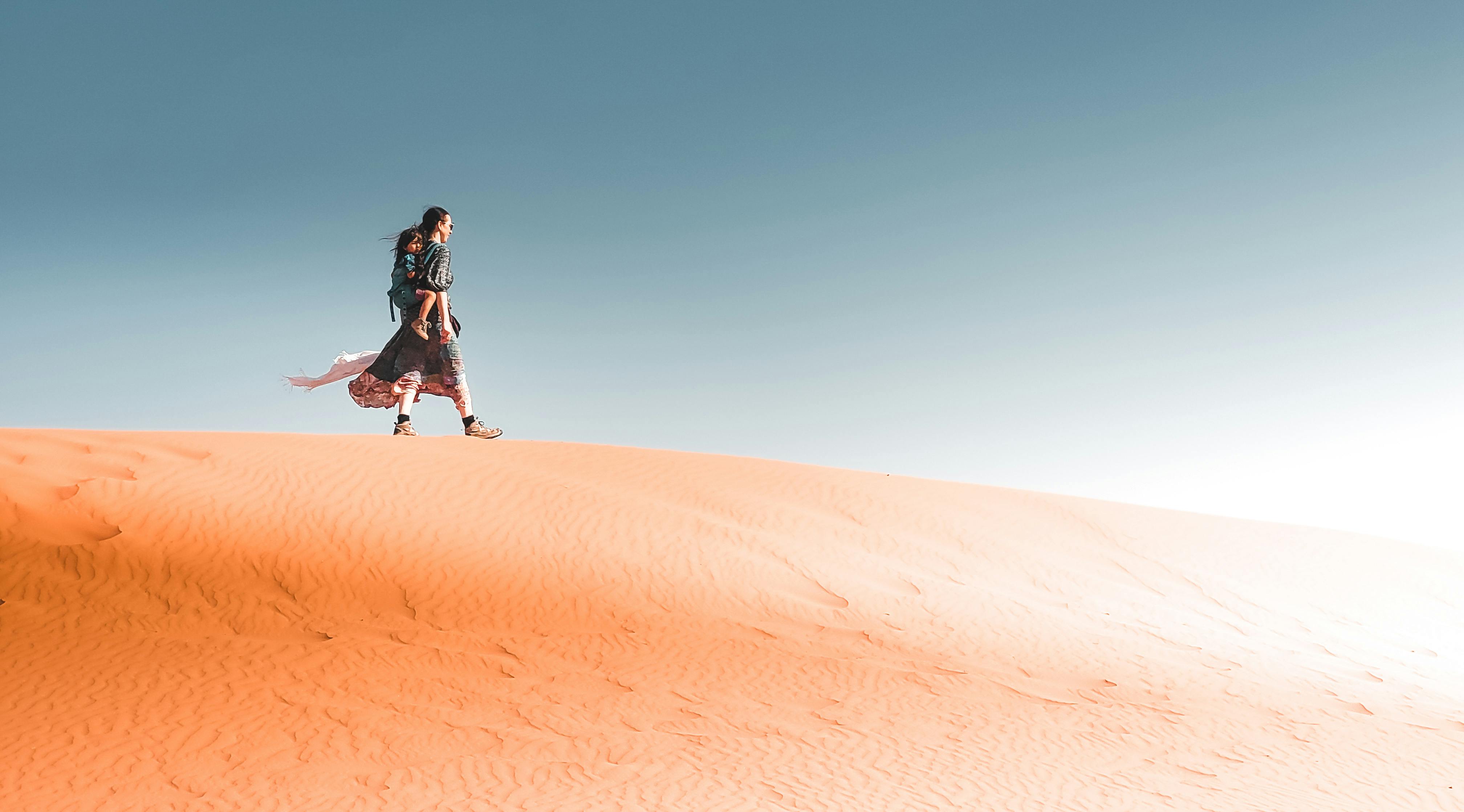
The Sahara is safe when visited with a reliable operator. The main safety concerns are not crime, but logistics: long driving distances, remote desert roads, weather conditions, and choosing trustworthy camps and drivers.
American travelers should avoid booking very cheap desert tours with unclear inclusions, poor vehicles, or unlicensed providers. A well-organized Sahara trip should include safe transport, clear accommodation details, experienced drivers, and realistic travel times.
The Atlas Mountains
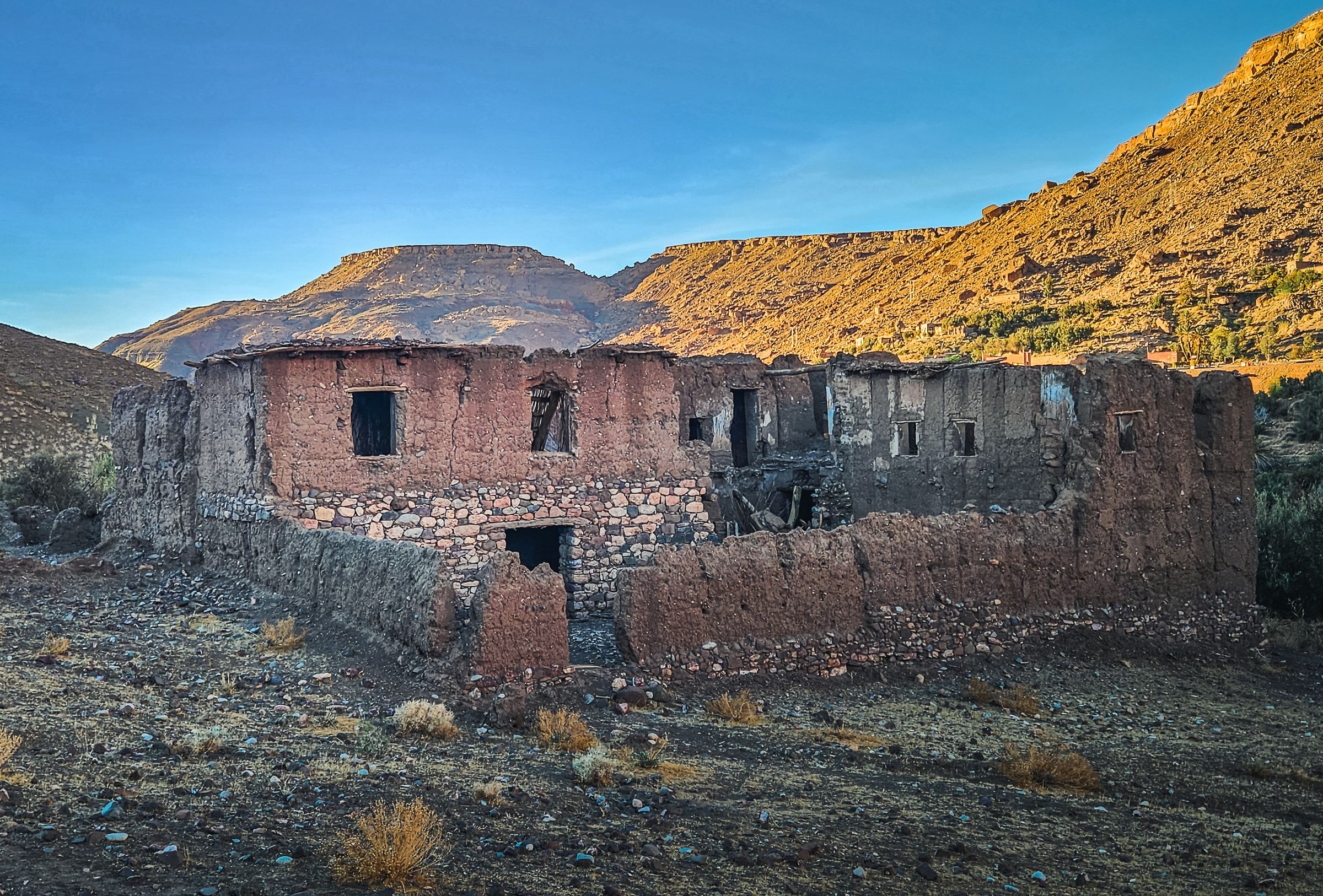
The Atlas Mountains are safe for hiking and cultural travel when accompanied by professional local guides. The main risks are weather changes, altitude, uneven trails, and remote access. Travelers should choose routes adapted to their fitness level and avoid hiking alone in isolated areas.
Common safety concerns for American travelers in Morocco 1. Pickpocketing and petty theft
Petty theft can happen in busy tourist areas, especially in medinas, markets, beaches, bus stations, and crowded squares. This is not unique to Morocco and is similar to many major tourist destinations around the world.
To reduce risk:
Keep your phone and wallet secure. Avoid carrying large amounts of cash. Use a crossbody bag or money belt in crowded areas. Do not leave valuables visible in cars. Be extra careful in busy souks and public squares. 2. Tourist scams
Scams are more common than serious crime. Typical examples include unofficial guides, inflated taxi prices, fake “closed road” or “closed monument” stories, and pressure to enter shops.
The best solution is simple: book with trusted providers, agree prices in advance, and politely walk away from anyone who feels too pushy.
3. Taxis and transportation
Transportation is usually safe, but prices can be confusing. In cities, some taxis may refuse to use the meter or quote high prices to tourists. Private transfers are often the easiest option for American travelers who want comfort and clarity.
For longer journeys, especially to the desert, mountains, or multiple cities, a private driver or organized tour is strongly recommended.
4. Road safety
Morocco has good highways between major cities, but mountain roads, rural roads, and desert routes can be challenging. Driving styles may feel different from the United States.
American travelers who are not used to Moroccan roads may prefer hiring a private driver rather than renting a car, especially for routes involving the Atlas Mountains, Sahara Desert, or remote villages.
Is Morocco safe for solo female travelers?
Morocco can be safe for solo female travelers, but it requires more awareness than traveling in some Western countries. Many women travel in Morocco independently and have positive experiences, but unwanted attention can happen, especially in busy medinas or when walking alone at night.
Practical advice:
Dress respectfully, especially in traditional areas. Avoid isolated streets after dark. Stay in well-reviewed riads or hotels. Use trusted transport at night. Book licensed guides for medina visits. Be confident and direct when refusing unwanted attention.
For first-time visitors, a private guide or tailor-made itinerary can make the experience much more comfortable.
Is Morocco safe for families?
Yes, Morocco is a strong destination for families. Moroccans are generally warm and welcoming toward children, and family travel is common in cities, mountain villages, coastal towns, and desert camps.
Families should choose comfortable travel times, avoid overloading the itinerary, and select accommodations with reliable service. For younger children, private transport is usually better than shared tours because it allows more flexibility.
Good family-friendly destinations include Marrakech, Essaouira, the Atlas Mountains, Agafay Desert, Fes, Rabat, and selected Sahara camps.
Is Morocco safe for older travelers?
Morocco can be very rewarding for older travelers, especially when the itinerary is designed carefully. The main points to consider are walking distances, stairs in riads, uneven streets in medinas, heat, and long drives.
Older travelers should choose well-located accommodations, private transfers, comfortable vehicles, and guided visits at a relaxed pace. Riads are beautiful, but some do not have elevators, so room location should be checked in advance.
Health and food safety in Morocco
Food in Morocco is one of the highlights of the trip, but travelers should be sensible. Eat in clean, reputable restaurants, drink bottled or filtered water, and be careful with raw foods from street stalls if you have a sensitive stomach.
Moroccan cuisine is rich, flavorful, and generally safe when prepared in trusted places. Tagines, couscous, grilled meats, fresh bread, olives, dates, and mint tea are all part of the experience.
Travelers with allergies or dietary restrictions should inform their travel planner, guide, and accommodation in advance.
Cultural safety: what Americans should know before visiting Morocco
Morocco is a Muslim-majority country with a mix of Arab, Amazigh, African, Mediterranean, and European influences. It is open to tourism, but local customs still matter.
American travelers should keep the following in mind:
Dress modestly in traditional areas. Ask before photographing people. Avoid public displays of affection. Be respectful during Ramadan. Do not criticize religion or the monarchy. Use polite greetings such as “Salam Alaikum” or “Bonjour.”
Respect goes a long way in Morocco. Visitors who show cultural awareness are usually met with warmth and hospitality.
Areas where travelers should be more cautious
Most American travelers visit Morocco without any major problems. However, extra caution is recommended in:
Very crowded markets and public squares. Quiet medina alleys after dark. Isolated beaches at night. Remote mountain or desert areas without a guide. Border areas and politically sensitive zones. Demonstrations or political gatherings.
Travelers should avoid protests and large public gatherings, even if they appear peaceful.
Should Americans travel independently or with a local travel company?
Independent travel is possible in Morocco, especially for experienced travelers. However, for first-time American visitors, a local travel company can make the trip safer, smoother, and more enjoyable.
A reliable Morocco travel specialist can help with:
Safe airport transfers. Licensed guides. Trusted drivers. Carefully selected riads and hotels. Realistic travel times. Sahara and Atlas Mountain logistics. Cultural explanations. Support in case of unexpected changes.
This is especially useful for families, solo women, older travelers, honeymooners, small groups, and anyone visiting the Sahara or remote mountain areas.
Practical safety tips for Americans visiting Morocco
Here are simple rules that make a big difference:
Keep a copy of your passport and travel insurance. Use ATMs inside banks or trusted areas. Avoid carrying too much cash. Agree taxi prices before starting the ride if there is no meter. Use licensed guides in historic medinas. Book desert and mountain trips with reputable operators. Avoid isolated areas after dark. Stay aware in crowded souks and squares. Dress respectfully in rural and traditional areas. Follow local advice from your guide, hotel, or travel planner.
Morocco is not a destination where you need to be afraid. It is a destination where smart preparation improves the experience.
Emergency numbers in Morocco
American travelers should save these numbers before arrival:
Police: 19 Gendarmerie Royale: 177 Ambulance / Firefighters: 15 Tourist Police: available in major tourist cities U.S. Embassy in Morocco: located in Rabat
Travelers should also keep their hotel address, guide contact, driver contact, and travel company emergency number easily accessible.
Final answer: Is Morocco safe for American travelers?
Yes, Morocco is generally safe for American travelers when visited with common sense, cultural awareness, and good planning. The country welcomes millions of international visitors and offers a rich combination of cities, mountains, desert, coast, cuisine, history, and hospitality.
The main risks are usually manageable: petty theft, scams, traffic, intense medinas, and occasional unwanted attention. Serious incidents involving tourists are uncommon, but travelers should still follow official travel advice and stay alert in crowded or unfamiliar areas.
For Americans looking for an authentic, beautiful, and culturally rich destination, Morocco remains one of the most rewarding places to visit in North Africa.
With the right itinerary, trusted local support, and realistic expectations, Morocco can be not only safe, but unforgettable.
FAQ: Morocco Safety for American Travelers Is Morocco safe for U.S. citizens?
Yes, Morocco is generally safe for U.S. citizens, especially in popular tourist destinations. Americans should exercise normal travel awareness, protect valuables, avoid unofficial guides, and follow official travel advisories.
Is Marrakech safe for American tourists?
Yes, Marrakech is generally safe for American tourists. The main issues are pickpocketing, tourist scams, and persistent sellers in crowded areas. Staying in a reputable riad or hotel and using licensed guides makes the experience easier.
Is Morocco safe for solo female travelers?
Morocco can be safe for solo female travelers, but women may experience unwanted attention in some areas. Dressing respectfully, avoiding isolated streets at night, and using trusted transport are strongly recommended.
Is the Sahara Desert safe to visit?
Yes, the Sahara Desert is safe when visited with a reputable tour operator. Travelers should avoid poorly organized low-cost tours and choose providers with safe vehicles, experienced drivers, and clear accommodation standards.
Do Americans need a guide in Morocco?
A guide is not required everywhere, but a licensed guide is highly recommended in historic medinas such as Fes and Marrakech, as well as for hiking in the Atlas Mountains or visiting remote areas.
Is Morocco safe for families?
Yes, Morocco is a family-friendly destination. Families should choose comfortable accommodations, private transport, and a balanced itinerary with realistic travel times.
What should Americans avoid in Morocco?
Americans should avoid unofficial guides, isolated areas after dark, political demonstrations, carrying too much cash, and booking unclear tours with unknown operators.
Is Morocco safer with a private tour?
For many American travelers, yes. A private tour provides trusted drivers, licensed guides, reliable accommodations, local support, and smoother logistics, especially for first-time visitors.
Frequently asked questions
Practical answers about this guide and planning your trip.
About the author
MoroccoByInsiders writes for MoroccoByInsiders on routes, culture, and practical planning across the kingdom.