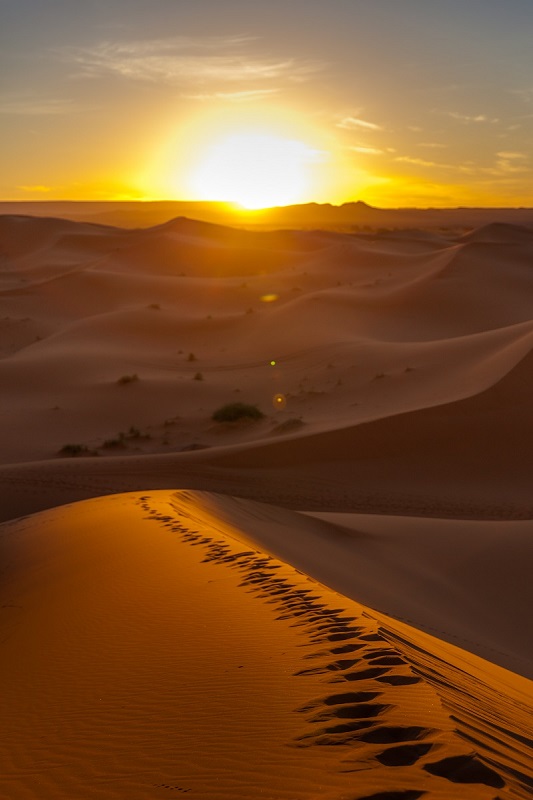
Desert camp in the Sahara dunes at sunset, Morocco

Sahara desert tours

Morocco Desert Tours from Marrakech and Fes

Most Morocco desert tours look the same on paper: a kasbah, a gorge, some dunes, one night in a camp. What actually separates a good trip from a long day in a car is the part nobody puts in the itinerary — how many hours you really spend on the road, which dunes you end up standing on, and whether the camp you paid for has a shower that works.

We plan these routes with vetted Moroccan agencies, so this is the version we give friends: honest driving times, real price ranges, and the bits people only discover on day two.

Free request · No obligation · Quotes within 12 hours

Quick match

When and how long?

Travel month

Days for the desert

Your desert

High Atlas → Merzouga

Our circuits$2,185–2,3502 published circuits · per person

Best window: 25–30°C days, fleece at night. Peak season — camps fill 3–4 weeks ahead.

The short version

Three lengths, honest price ranges

Price ranges are per person for two travellers sharing a private vehicle, taken straight from the Sahara circuits we currently publish. Our Sahara routes start at eight days: shorter trips exist, but we do not offer one. Larger groups bring the per-person cost down; a single traveller pays a supplement.

The drive is part of the trip. Marrakech to Merzouga is 560–580 km, split across two days. Nobody honest calls it a day trip.

Which desert you are actually going to

Three deserts, not interchangeable

Almost every Marrakech desert tours route finishes in one of three places, and they are not interchangeable.

Merzouga & Erg Chebbi

The classic

Merzouga & Erg Chebbi

From Marrakech
560–580 km
From Fes
470 km
Dunes
Close to 150 m

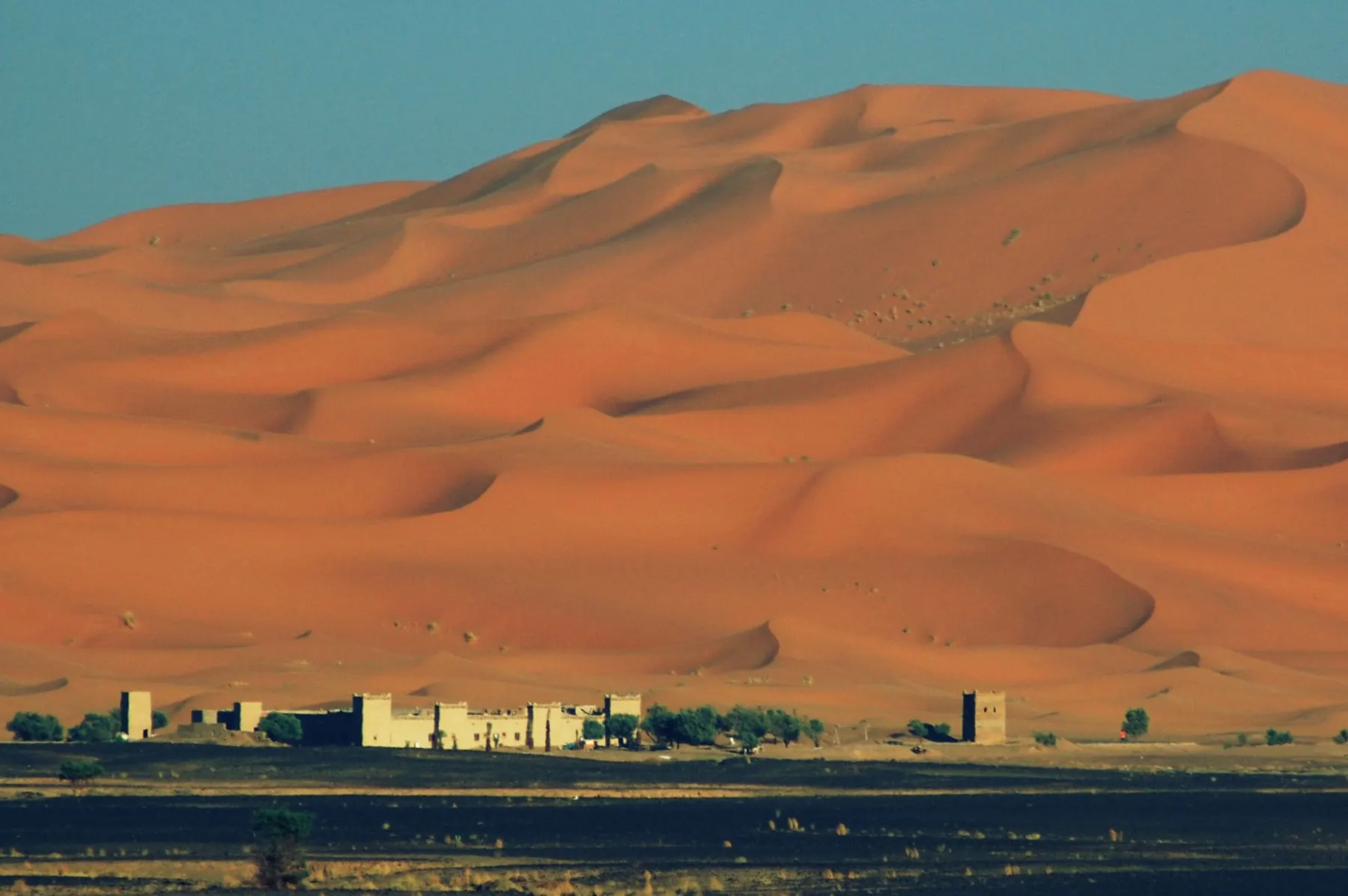
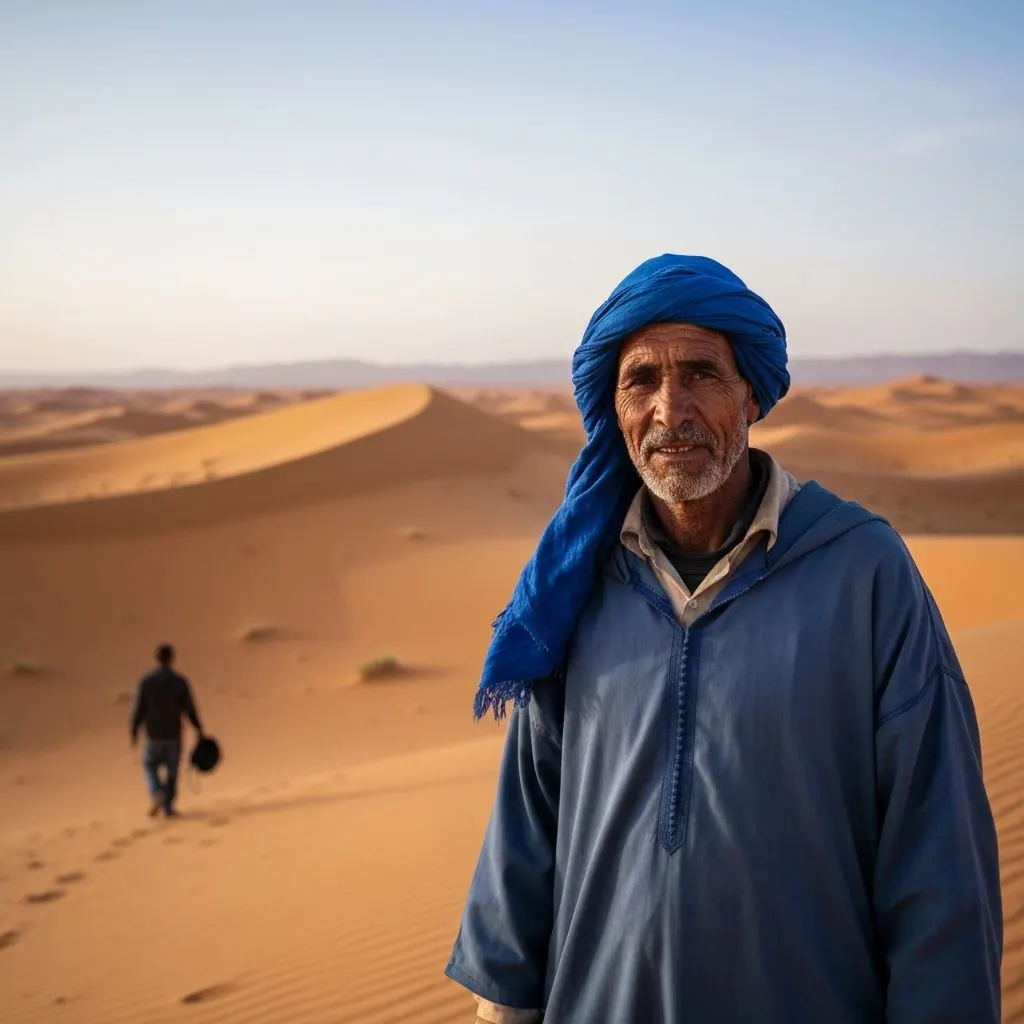
Erg Chebbi is the sand sea from the photographs: roughly 22–28 km long and 5–7 km wide, with dunes rising close to 150 m. It sits beside Merzouga and Hassi Labied. The payoff is scale. Walk twenty minutes from the tarmac and the village is gone.

This is where a Marrakech to Sahara desert tour usually lands, and it is where the widest choice of camps exists, from simple nomad tents to camps with private bathrooms and hot water.
Zagora & the Draa Valley

The accessible one

Zagora & the Draa Valley

From Marrakech
≈ 360 km
Driving
7–8 h with stops
Dunes
Tinfou, modest

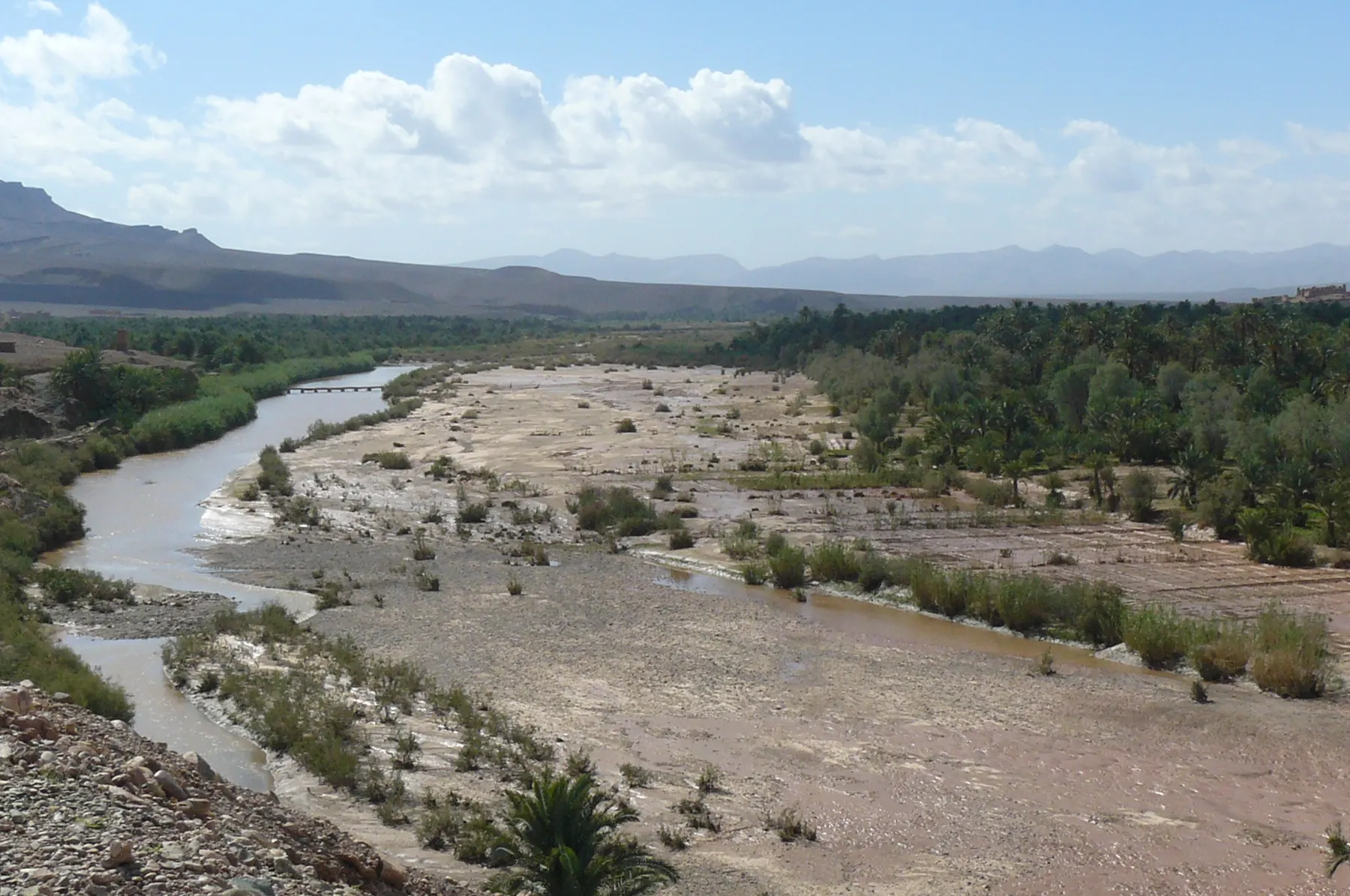
Zagora is a real town and an old caravan gate. The dune field most tours visit is Tinfou, a modest cluster of sand a short walk from the road. Tinfou is a sandy corner, not a sand sea: if your picture is cresting a 100 m dune at sunrise, this is not that.

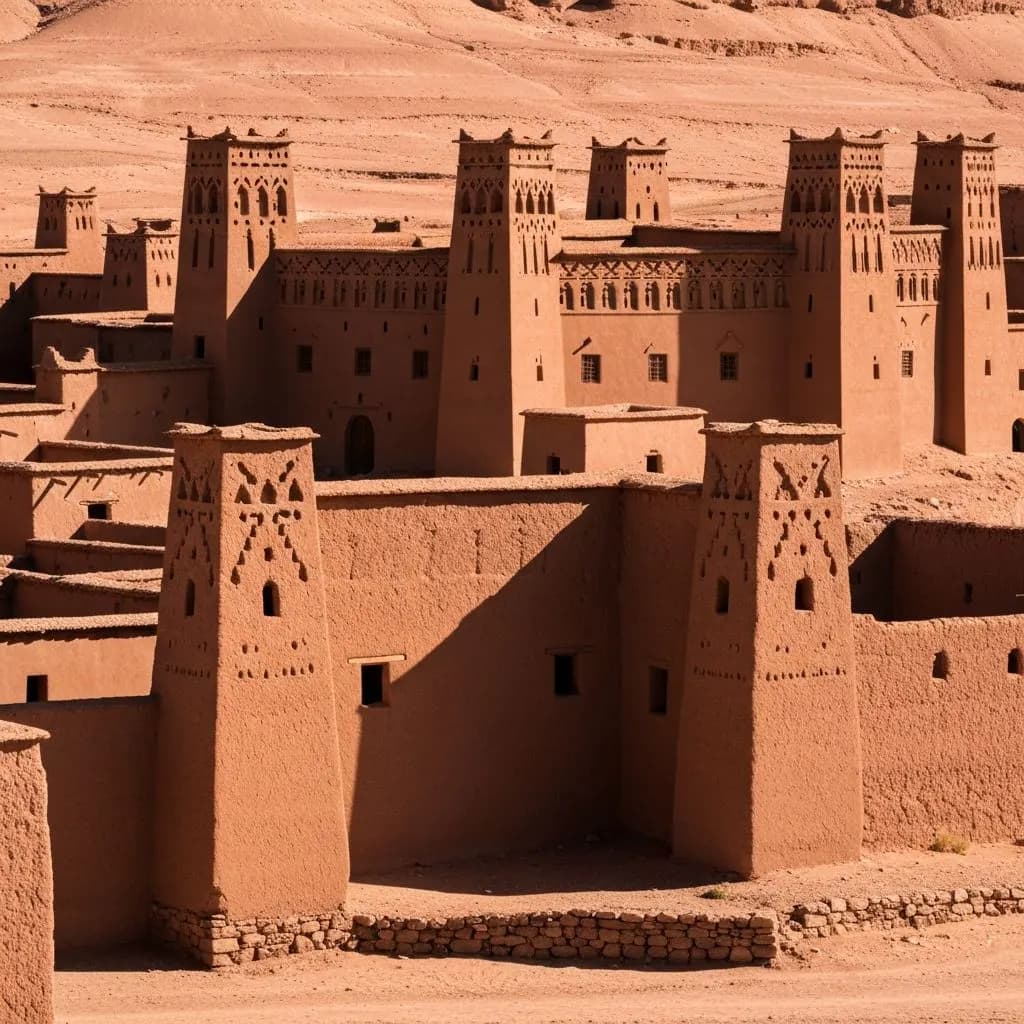
What Zagora does give you is palm groves for 200 km, mud-brick ksour, the old koranic library at Tamegroute, and a night on sand without a two-day drive.

Erg Chigaga

The remote one

Erg Chigaga

From Marrakech
≈ 550 km + piste
Piste
50–60 km, 1.5–2.5 h
Dunes
A little over 50 m

Morocco’s largest erg, about 56 km southwest of M’Hamid El Ghizlane, and the final 50–60 km is piste rather than road. That stretch takes 1.5 to 2.5 hours in a proper 4x4, and the tracks move after wind and rain.

Chigaga’s dunes are lower than Erg Chebbi, but the reason to go is silence. No village lights, no traffic, no second camp in view. It is not a detour you add to a short trip: plan two nights there, which in practice means a route of ten days or more.

Agafay, for the record.Agafay, forty minutes outside Marrakech, is a stone desert: pale hills, a few small dunes, no sand sea. Our Marrakech, Atlas and Agafay loop is a lovely week for travellers who want a taste of desert without the long drive. It is not the Sahara, we say so before anyone books it expecting Erg Chebbi, and it is left out of the Sahara price ranges on this page.

Desert tours by duration

How many days for the Sahara?

Atlas villages, then the dunes
Our circuits$2,185–2,3502 published circuits · per person

9–10 days

Atlas villages, then the dunes

  1. Marrakech
  2. High Atlas
  3. Aït Ben Haddou
  4. Dades Valley
  5. Todra Gorge
  6. Merzouga
  7. Ouarzazate
  8. Marrakech

Mountain nights before the desert, two nights near Erg Chebbi.

Nine or ten days lets the desert be one chapter rather than the whole plot. Our Soft adventure Atlas and desert route starts with two nights in the High Atlas around Imlil or the Ourika Valley, crosses to Aït Ben Haddou and the Dades Valley, gives Merzouga two nights and breaks the return in Nkob or Agdz.

If you would rather walk than ride, the Atlas villages and Sahara walking adventure spends four days on foot between Berber villages in the M’Goun before two nights at Erg Chebbi. Same desert, very different legs at the end of it.

A note on camp tiers.Standard camps mean a bed in a tent and a shared bathroom block a short walk away. Luxury camps mean an en-suite tent, hot water and better food. As a rule of thumb, budget $60–120 more per person per night to move up a tier. In January the difference matters less than a good blanket; in April it matters a lot.

The question everyone asks

Merzouga or Erg Chigaga?

Distance from Marrakech
Merzouga560–580 km, tarmac to the village
Chigaga~550 km tarmac + 50–60 km piste
Vehicle needed
MerzougaMinivan or car is fine
ChigagaProper 4x4 and a driver who knows today’s tracks
Dune scale
MerzougaUp to ~150 m, tall and photogenic
ChigagaLower (50 m+), spread wider and wilder
Camps
MerzougaWidest range, basic to luxury with hot water
ChigagaFewer, simpler, more isolated
Time it needs
MerzougaFits an 8-day loop from Marrakech
ChigagaBetter on 10 days or more, with two desert nights
Best for
MerzougaFirst Sahara trip, families, photographers
ChigagaSolitude, star photography, being unreachable
Trade-off
MerzougaBusier at sunset on the main dune
ChigagaLong, bumpy piste and basic camps

If it is your first sand, go to Merzouga. If you have been before, or you want a night where the loudest thing is the wind, go to Chigaga. If you want both on one trip, plan at least ten days and we will build it with an agency.

My take
“For a first night in the Sahara, I send almost everyone to Merzouga — except in one specific case: if you have ten days or more and you have already stood on big dunes, go to Chigaga.”

What is included

What is included in a private desert tour

Usually included

6
  • Private air-conditioned vehicle and English-speaking driver for the whole route
  • Fuel, tolls, parking, and the driver’s own meals and lodging
  • Breakfasts at hotels and riads along the way
  • One or more nights in a desert camp with dinner and breakfast
  • Camel ride to camp at Merzouga, or 4x4 transfer
  • Local guiding where the itinerary lists it (Aït Ben Haddou, medinas)

Usually not included

6
  • International flights and any transport before or after the tour
  • Travel insurance
  • Lunches and dinners outside the desert camp
  • Drinks, and in some camps bottled water
  • Tips for driver and local guides — budget $5–10 per person per day
  • Monument entry fees, gorge parking, optional 4x4 excursions

Every quote we pass on spells out the tier of camp, the vehicle type and the guiding language. If two offers differ by a few hundred dollars, the difference is usually hiding in those three lines.

The drive there

What the road is really like

  1. 01

    The Tichka is the part people underestimate

    The Tizi n’Tichka pass tops out around 2,205 m — the sign at the top still claims 2,260 m — and it is the highest major road pass in North Africa, built along an old caravan trail and paved by the French military in 1936. Marrakech to Ouarzazate is only 200 km, but plan four hours without stopping and five to six with the viewpoints and a mint tea. Leave Marrakech by 8am and you are ahead of the coaches.

    What the drive feels like, honestly: wide, well-surfaced switchbacks most of the way, then a stretch of tight hairpins where you queue behind loaded trucks doing 25 km/h. Roadworks come and go. From November to March, snow and ice on the pass are common and a closed road means a long reroute. Our drivers check the pass the morning you travel, not the night before.

  2. 02

    South of Ouarzazate

    The landscape changes fast. The Valley of Roses, then the Dades Valley with its red cliffs; the Dades gorge road has a set of hairpins that look impossible in photos and are merely slow in real life. From Boumalne it is about 250 km to Merzouga via Todra Gorge, Erfoud and Rissani, and the last hour is flat, straight and full of date palms. You will know you are close when the sand appears on the left.

  3. 03

    Coming from Fes instead

    The route runs through Ifrane, Midelt and the Ziz Valley: 470 km, 7–8 hours of driving, 9–10 with stops. It is easier than the Marrakech leg and the Ziz gorges are genuinely spectacular. If you fly into Fes and out of Marrakech, doing Fes → Merzouga → Marrakech in that direction means the longest driving day is behind you when you are freshest.

  4. 04

    Practical things nobody mentions

    There are cafés with clean toilets roughly every 90 minutes on the main routes, nothing at all on the Chigaga piste. Carry cash — small notes for tips, bottled water and toilet stops. Phone signal is solid until M’Hamid and patchy for the final stretch to Chigaga. If your driver suggests leaving at 7:30 instead of 9, take the advice; it is about arriving before sunset, not about being difficult.

When to go

The desert, season by season

  • March to May

    The best window

    Day

    25–30°C

    Night

    Fleece

    Days of 25–30°C, nights that still need a fleece. This is rose harvest time around Kelaa M’Gouna, and the valleys are green. It is also peak season, so camps at Merzouga fill three to four weeks ahead for Easter and the early-May holidays.

  • June to August

    Hot, and emptier than you think

    Day

    42–45°C

    Night

    20–25°C

    Merzouga can hit 42–45°C at midday; camps are half-empty and prices soften. Nights drop to a pleasant 20–25°C, which makes stargazing superb. The trick is to move mornings and late afternoons and sleep through the middle. Families with small children should look at Agafay or the Middle Atlas instead.

  • September to November

    The connoisseur’s choice

    Day

    28–32°C

    Night

    12–15°C

    October and November bring 28–32°C days and 12–15°C nights, with the light photographers want. Late September and October are now as busy as spring, so book early.

  • December to February

    Clear days, cold nights

    Day

    16–20°C

    Night

    2–6°C

    Expect 16–20°C and sunshine by day, then 2–6°C after dark, sometimes close to freezing at 5am. A decent camp gives you thick blankets and a brazier; a basic one does not. The Tichka can close with snow, so build a spare day into any winter desert plan.

One more thing: the chergui, the hot wind off the desert, blows mostly in late winter and early spring and can turn a clear sky into a sandstorm for a few hours. Camps handle it. Flights do not care. It passes.

FAQ

Frequently asked questions

  • 560–580 km, which is 8.5 to 10 hours of driving. Split it over two days with a night in the Dades Valley or Ouarzazate. Anyone selling it as a single comfortable day has not driven it.

Sources